


- Afhalen na 1 uur in een winkel met voorraad
- Gratis thuislevering in België vanaf € 30
- Ruim aanbod met 7 miljoen producten
- Afhalen na 1 uur in een winkel met voorraad
- Gratis thuislevering in België vanaf € 30
- Ruim aanbod met 7 miljoen producten





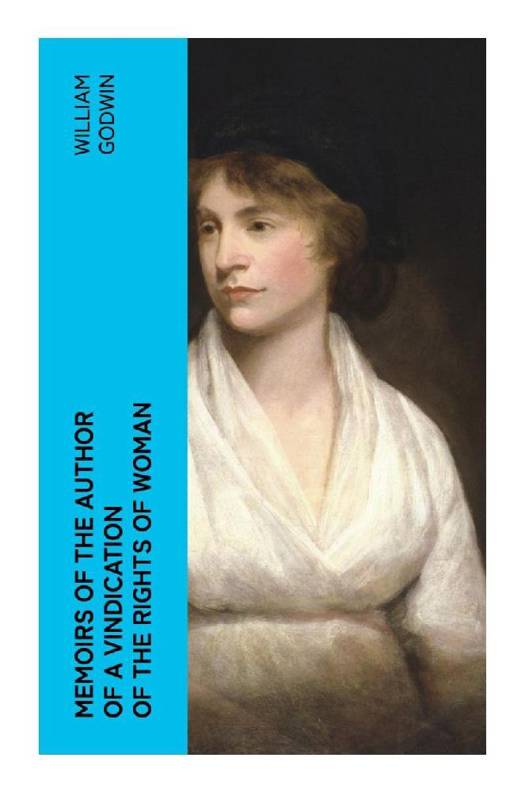
Memoirs of the Author of a Vindication of the Rights of Woman
Mary Wollstonecraft, Feminist Pioneer, and Radical Enlightenment Life Writing
William Godwin
Paperback | Engels
€ 8,95
+ 17 punten
Omschrijving
William Godwin's Memoirs of the Author of A Vindication of the Rights of Woman is at once biography, elegy, and philosophical testimony. Written after Mary Wollstonecraft's death in 1797, it recounts her intellectual formation, emotional trials, political commitments, and literary achievements with striking candour. Its plain, unsentimental prose reflects Enlightenment ideals of truthfulness, while its intimate revelations place it within the emerging tradition of modern literary biography. Godwin, a leading radical philosopher and author of An Enquiry Concerning Political Justice, was Wollstonecraft's husband and intellectual companion. His commitment to reason, sincerity, and moral perfectibility shaped the Memoirs, as did his grief and admiration. Seeking to preserve Wollstonecraft's reputation through honesty rather than concealment, he produced a work that scandalized many contemporaries but now appears courageous in its refusal to separate a woman's thought from her lived experience. This book is essential for readers interested in feminism, revolutionary-era literature, biography, and the history of ideas. It offers not merely a portrait of Wollstonecraft, but a revealing document of eighteenth-century debates about gender, virtue, authorship, and personal liberty.
Specificaties
Betrokkenen
- Auteur(s):
- Uitgeverij:
Inhoud
- Taal:
- Engels
Eigenschappen
- Productcode (EAN):
- 9788027377879
- Uitvoering:
- Paperback
- Afmetingen:
- 152 mm x 229 mm
- Gewicht:
- 103 g


Alleen bij Standaard Boekhandel
+ 17 punten op je klantenkaart van Standaard Boekhandel
CADEAU

AANGERADEN


Beoordelingen
We publiceren alleen reviews die voldoen aan de voorwaarden voor reviews. Bekijk onze voorwaarden voor reviews.