



Bedankt voor het vertrouwen het afgelopen jaar! Om jou te bedanken bieden we GRATIS verzending (in België) aan op alles gedurende de hele maand januari.
- Afhalen na 1 uur in een winkel met voorraad
- In januari gratis thuislevering in België
- Ruim aanbod met 7 miljoen producten
Bedankt voor het vertrouwen het afgelopen jaar! Om jou te bedanken bieden we GRATIS verzending (in België) aan op alles gedurende de hele maand januari.
- Afhalen na 1 uur in een winkel met voorraad
- In januari gratis thuislevering in België
- Ruim aanbod met 7 miljoen producten





Omschrijving
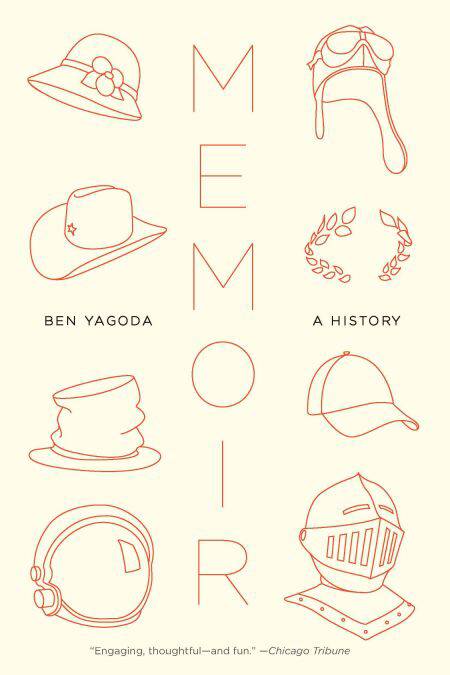
From a critically acclaimed cultural and literary critic, a definitive history and analysis of the memoir.
From Saint Augustine?s Confessions to Augusten Burroughs?s Running with Scissors, from Julius Caesar to Ulysses Grant, from Mark Twain to David Sedaris, the art of memoir has had a fascinating life, and deserves its own biography. Cultural and literary critic Ben Yagoda traces the memoir from its birth in early Christian writings and Roman generals? journals all the way up to the banner year of 2007, which saw memoirs from and about dogs, rock stars, bad dads, good dads, alternadads, waitresses, George Foreman, Iranian women, and a slew of other illustrious persons (and animals). In a time when memoir seems ubiquitous and is still highly controversial, Yagoda tackles the autobiography and memoir in all its forms and iterations. He discusses the fraudulent memoir and provides many examples from the past?and addresses the ramifications and consequences of these books. Spanning decades and nations, styles and subjects, he analyzes the hallmark memoirs of the Western tradition?Rousseau, Ben Franklin, Henry Adams, Gertrude Stein, Edward Gibbon, among others. Yagoda also describes historical trends, such as Native American captive memoirs, slave narratives, courtier dramas (where one had to pay to NOT be included in a courtesan?s memoir). Throughout, the idea of memory and truth, how we remember and how well we remember lives, is intimately explored.
Yagoda's elegant examination of memoir is at once a history of literature and taste, and an absorbing glimpse into what humans find interesting--one another.
From Saint Augustine?s Confessions to Augusten Burroughs?s Running with Scissors, from Julius Caesar to Ulysses Grant, from Mark Twain to David Sedaris, the art of memoir has had a fascinating life, and deserves its own biography. Cultural and literary critic Ben Yagoda traces the memoir from its birth in early Christian writings and Roman generals? journals all the way up to the banner year of 2007, which saw memoirs from and about dogs, rock stars, bad dads, good dads, alternadads, waitresses, George Foreman, Iranian women, and a slew of other illustrious persons (and animals). In a time when memoir seems ubiquitous and is still highly controversial, Yagoda tackles the autobiography and memoir in all its forms and iterations. He discusses the fraudulent memoir and provides many examples from the past?and addresses the ramifications and consequences of these books. Spanning decades and nations, styles and subjects, he analyzes the hallmark memoirs of the Western tradition?Rousseau, Ben Franklin, Henry Adams, Gertrude Stein, Edward Gibbon, among others. Yagoda also describes historical trends, such as Native American captive memoirs, slave narratives, courtier dramas (where one had to pay to NOT be included in a courtesan?s memoir). Throughout, the idea of memory and truth, how we remember and how well we remember lives, is intimately explored.
Yagoda's elegant examination of memoir is at once a history of literature and taste, and an absorbing glimpse into what humans find interesting--one another.
Specificaties
Betrokkenen
- Auteur(s):
- Uitgeverij:
Inhoud
- Aantal bladzijden:
- 304
- Taal:
- Engels
Eigenschappen
- Productcode (EAN):
- 9781101151471
- Verschijningsdatum:
- 11/11/2009
- Uitvoering:
- E-book
- Beveiligd met:
- Adobe DRM
- Formaat:
- ePub


Alleen bij Standaard Boekhandel
+ 8 punten op je klantenkaart van Standaard Boekhandel
SOLDEN


Beoordelingen
We publiceren alleen reviews die voldoen aan de voorwaarden voor reviews. Bekijk onze voorwaarden voor reviews.