


- Afhalen na 1 uur in een winkel met voorraad
- Gratis thuislevering in België vanaf € 30
- Ruim aanbod met 7 miljoen producten
- Afhalen na 1 uur in een winkel met voorraad
- Gratis thuislevering in België vanaf € 30
- Ruim aanbod met 7 miljoen producten





€ 169,95
+ 339 punten
Omschrijving
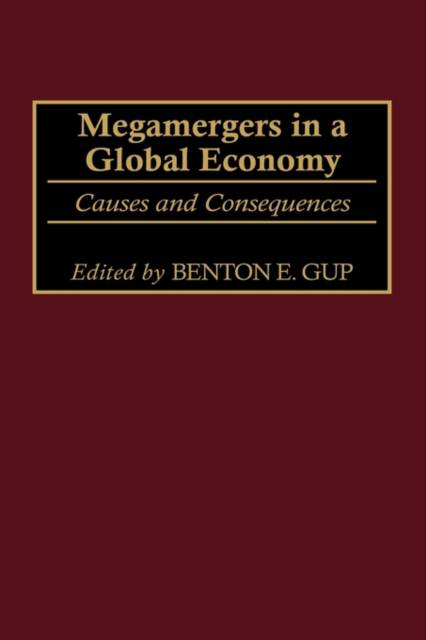
Citibank merged with Travelers. Daimler-Benz (Germany) acquired Chrysler (U.S.). In Japan three large banks combined to form the biggest bank in the world. What's going on? Cross-border and domestic megamergers continue to make headlines, but megamergers themselves are not new. What is new is their size. along with the fact that they increasingly occur across national boundaries. What are the consequences? Gup and his panel of distinguished contributors take a careful look. They explain why these combinations are occurring--the liberalization of markets, changes in technology, and the globalization of business generally are some reasons--and the possible results. They find that megamergers are risky--more than half of the cross-border ones do not add shareholder value--and they raise complicated, so far unanswered questions, such as Who's going to bail these failures out when they're supposedly 'too big to fail' but do? Also explored are topics on international regulatory issues and mergers in the banking industry specifically. Drawn from academia, the Federal Reserve, the International Monetary Fund, and the Federal Deposit Insurance Corporation, the contributors to this fascinating, understandable volume bring things into focus and perspective in ways that will be important to academics and practitioners alike.
Specificaties
Betrokkenen
- Auteur(s):
- Uitgeverij:
Inhoud
- Aantal bladzijden:
- 232
- Taal:
- Engels
Eigenschappen
- Productcode (EAN):
- 9781567204025
- Verschijningsdatum:
- 30/11/2001
- Uitvoering:
- Hardcover
- Formaat:
- Genaaid
- Afmetingen:
- 159 mm x 240 mm
- Gewicht:
- 503 g



Alleen bij Standaard Boekhandel
+ 339 punten op je klantenkaart van Standaard Boekhandel
Cadeau

AANGERADEN


Beoordelingen
We publiceren alleen reviews die voldoen aan de voorwaarden voor reviews. Bekijk onze voorwaarden voor reviews.