


- Afhalen na 1 uur in een winkel met voorraad
- Gratis thuislevering in België vanaf € 30
- Ruim aanbod met 7 miljoen producten
- Afhalen na 1 uur in een winkel met voorraad
- Gratis thuislevering in België vanaf € 30
- Ruim aanbod met 7 miljoen producten





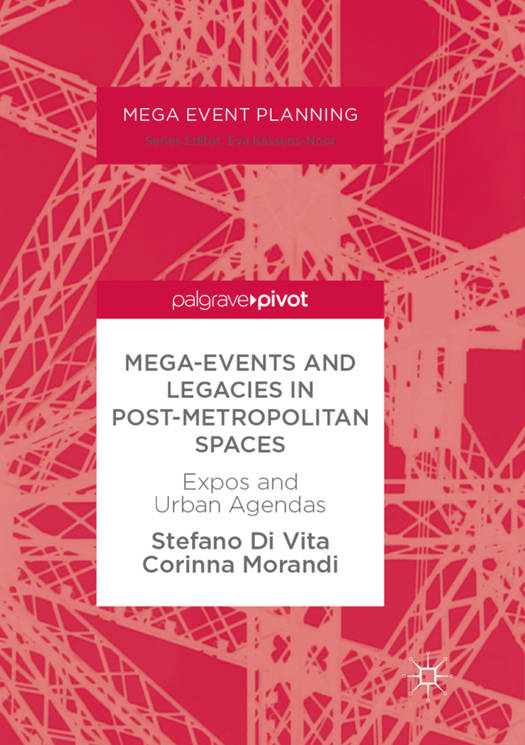
Mega-Events and Legacies in Post-Metropolitan Spaces
Expos and Urban Agendas
Stefano Di Vita, Corinna Morandi
€ 59,95
+ 119 punten
Uitvoering
Omschrijving
The two main aims of comparing Milan to previous expos such as Lisbon 1998, Zaragoza 2008 and Shanghai 2010, were to demonstrate the contribution of the 2015 World’s Fair to the urban innovation process and to the debate surrounding a new urban agenda;
Specificaties
Betrokkenen
- Auteur(s):
- Uitgeverij:
Inhoud
- Aantal bladzijden:
- 152
- Taal:
- Engels
- Reeks:
Eigenschappen
- Productcode (EAN):
- 9783319884851
- Verschijningsdatum:
- 1/09/2018
- Uitvoering:
- Paperback
- Afmetingen:
- 148 mm x 9 mm
- Gewicht:
- 237 g


Alleen bij Standaard Boekhandel
+ 119 punten op je klantenkaart van Standaard Boekhandel
Cadeau

AANGERADEN


Beoordelingen
We publiceren alleen reviews die voldoen aan de voorwaarden voor reviews. Bekijk onze voorwaarden voor reviews.