


- Afhalen na 1 uur in een winkel met voorraad
- Gratis thuislevering in België vanaf € 30
- Ruim aanbod met 7 miljoen producten
- Afhalen na 1 uur in een winkel met voorraad
- Gratis thuislevering in België vanaf € 30
- Ruim aanbod met 7 miljoen producten





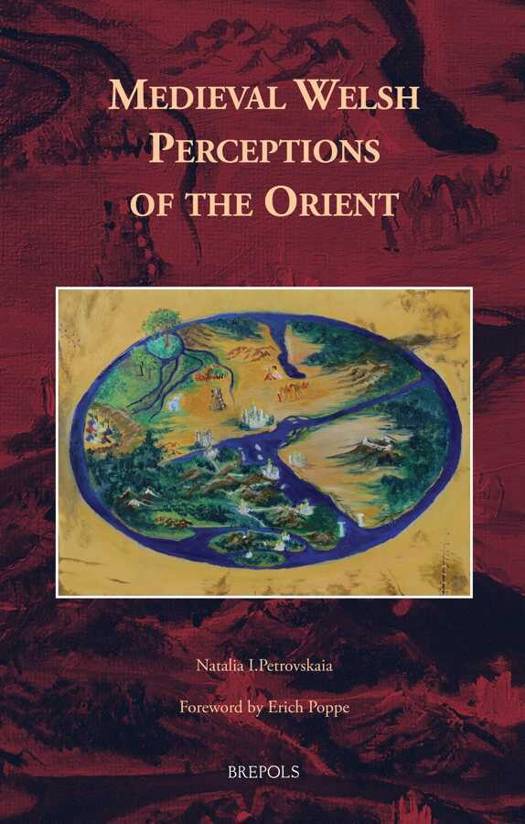
Medieval Welsh Perceptions of the Orient
Natalia I Petrovskaia
€ 106,00
+ 212 punten
Omschrijving
This book introduces a new theoretical framework for the examination of medieval Western European perceptions of the Orient. Through the application of the medieval concept of translatio studii et imperii, it proposes the identification of three distinct conceptions of the Orient in medieval sources: Biblical, Classical, and Contemporary. Welsh textual material from the twelfth and thirteenth centuries is used as a case-study to develop and illustrate this theory. This study brings historical sources to bear on previously unexplained literary phenomena and it examines the evolution of texts and ideas in the process of transmission and translation. The sources analysed here include vernacular and Latin texts produced in Wales, as well as material that has been translated into Welsh such as Imago mundi and legends about Charlemagne. It thus combines an important and much-needed account of the development of Welsh attitudes to the East with a unique analysis of Oriental references across an extensive literary corpus.
Specificaties
Betrokkenen
- Auteur(s):
- Uitgeverij:
Inhoud
- Aantal bladzijden:
- 241
- Taal:
- Engels
- Reeks:
- Reeksnummer:
- nr. 21
Eigenschappen
- Productcode (EAN):
- 9782503551555
- Verschijningsdatum:
- 2/09/2015
- Uitvoering:
- Hardcover
- Formaat:
- Genaaid
- Afmetingen:
- 163 mm x 239 mm
- Gewicht:
- 589 g


Alleen bij Standaard Boekhandel
+ 212 punten op je klantenkaart van Standaard Boekhandel
Cadeau

AANGERADEN


Beoordelingen
We publiceren alleen reviews die voldoen aan de voorwaarden voor reviews. Bekijk onze voorwaarden voor reviews.