


- Afhalen na 1 uur in een winkel met voorraad
- Gratis thuislevering in België vanaf € 30
- Ruim aanbod met 7 miljoen producten
- Afhalen na 1 uur in een winkel met voorraad
- Gratis thuislevering in België vanaf € 30
- Ruim aanbod met 7 miljoen producten





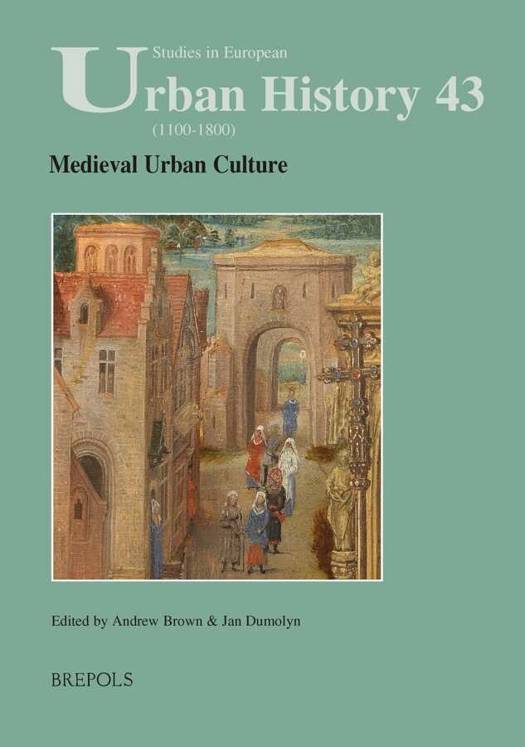
Medieval Urban Culture
Brown Andrew
€ 95,40
+ 190 punten
Omschrijving
This volume explores the specificity of the urban culture in western Europe during the period c.1150-1550. Since the mid-twentieth century, many studies have complicated the association, traditionally made, between the medieval growth of towns and the birth of a modern, secular world; but few have given any attention to what actually made urban culture 'urban'. This volume begins by placing medieval 'urban culture' within its spatial context, to consider how urban conditions determined the perception and representation of the city-dweller. Contributors examine a variety of urban cultures, from the political to the artistic, from London and Bruges to Florence and Venice, and beyond Europe. They show how urban culture involved a process of interaction with other discourses (royal, noble, ecclesiastical) and that it was not monolithic: the relationship between urban environments and the cultures they generated were hybrid, fluid and dynamic.
Specificaties
Betrokkenen
- Auteur(s):
- Uitgeverij:
Inhoud
- Aantal bladzijden:
- 213
- Taal:
- Engels
- Reeks:
- Reeksnummer:
- nr. 43
- Geïllustreerd:
- Ja
Eigenschappen
- Productcode (EAN):
- 9782503577425
- Verschijningsdatum:
- 6/12/2017
- Uitvoering:
- Paperback
- Formaat:
- Trade paperback (VS)
- Afmetingen:
- 178 mm x 251 mm
- Gewicht:
- 521 g


Alleen bij Standaard Boekhandel
+ 190 punten op je klantenkaart van Standaard Boekhandel
Cadeau

AANGERADEN


Beoordelingen
We publiceren alleen reviews die voldoen aan de voorwaarden voor reviews. Bekijk onze voorwaarden voor reviews.