


- Afhalen na 1 uur in een winkel met voorraad
- Gratis thuislevering in België vanaf € 30
- Ruim aanbod met 7 miljoen producten
- Afhalen na 1 uur in een winkel met voorraad
- Gratis thuislevering in België vanaf € 30
- Ruim aanbod met 7 miljoen producten





€ 58,30
+ 116 punten
Omschrijving
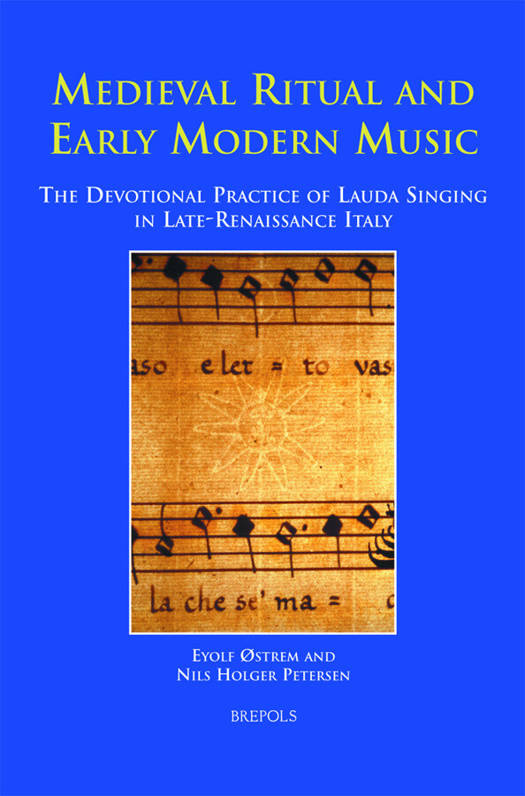
The polyphonic lauda had its place of prominence in the lay devotional confraternities in Italian cities in the late Middle Ages and the early modern period. A main theme of this volume is the influence of art music in devotional contexts dominated by ritual functionality, where a modern aesthetic perspective is rarely employed. The authors raise fundamental questions about the validity of such a distinction between functional simplicity and aesthetic sensibility, where the latter is usually reserved for advanced, secular genres such as opera and the madrigal. The question of an aesthetics avant la lettre as applied to devotional practices in the Middle Ages and the Renaissance is examined through analyses of records from youth confraternities in Renaissance Florence. Further, the use during the seventeenth century of the traditional genre of the lauda in settings which stylistically reflect polyphonic art music is discussed and exemplified through the publication of 19 polyphonic laude from a seventeenth-century manuscript found in the archives of the Cathedral of Florence. Combining aspects of recent scholarship in musicology, liturgical history, and confraternity studies, the authors (a musicologist and a church historian) explore both the devotional use of stylistically advanced music in the late sixteenth and early seventeenth centuries as well as the idea that the beauty of music enhances devotion. The volume features an introduction and six chapters as well as a substantial appendix consisting of edited texts and music for several laude.
Specificaties
Betrokkenen
- Auteur(s):
- Uitgeverij:
Inhoud
- Aantal bladzijden:
- 356
- Taal:
- Frans
- Reeks:
- Reeksnummer:
- nr. 1
Eigenschappen
- Productcode (EAN):
- 9782503520667
- Verschijningsdatum:
- 12/03/2008
- Uitvoering:
- Hardcover
- Formaat:
- Genaaid
- Afmetingen:
- 166 mm x 243 mm
- Gewicht:
- 780 g


Alleen bij Standaard Boekhandel
+ 116 punten op je klantenkaart van Standaard Boekhandel
Cadeau

AANGERADEN


Beoordelingen
We publiceren alleen reviews die voldoen aan de voorwaarden voor reviews. Bekijk onze voorwaarden voor reviews.