


- Afhalen na 1 uur in een winkel met voorraad
- Gratis thuislevering in België vanaf € 30
- Ruim aanbod met 7 miljoen producten
- Afhalen na 1 uur in een winkel met voorraad
- Gratis thuislevering in België vanaf € 30
- Ruim aanbod met 7 miljoen producten





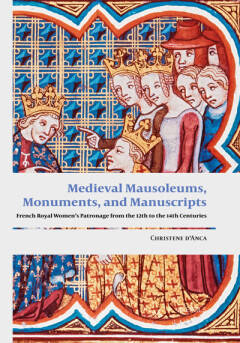
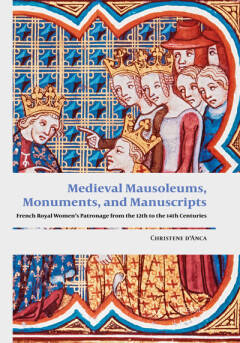
Medieval Mausoleums, Monuments, and Manuscripts
French Royal Women's Patronage from the Twelfth to the Fourteenth Centuries
Christene D'Anca
€ 100,70
+ 201 punten
Omschrijving
Medieval Mausoleums, Monuments, and Manuscripts: Royal Women's Patronage from the Twelfth to the Fourteenth Centuries explores the manuscripts, monuments, and other memorabilia associated with the artistic patronage of Eleanor of Aquitaine (1122-1204), her daughters, Marie de Champagne (1145-98) and Matilda of Saxony (1156-98), as well as works generated by three queens of France, Marie de Brabant (1254-1322), Jeanne d'Evreux (1310-71), and Blanche de Navarre (1330-98). Through this study the shift in women's artistic patronage over the centuries may be brought to light, as well as its evolution, evincing how each generation built upon the previous one. Further, despite the assorted shapes these women's efforts embodied, ranging from manuscripts to stained glass windows, from funerary plaques, paintings, jewels and linens to monuments, mausoleums and endowments of institutions, including a variety of other forms, these women were notably unified in that their greatest output tellingly occurred during precarious points in their lives that threatened their positions, such as the potential political turmoil associated with the deaths of husbands or children. At these times their participation in acts of patronage solidified their places at court, in society, and within cultural memory while doubling as assertions of their political power and lineage. Thus, testaments, manuscript books, monuments, and memorials were not only a declaration or signs of one's possessions, but also sites and documents that continued the politicking of the deceased.
Specificaties
Betrokkenen
- Auteur(s):
- Uitgeverij:
Inhoud
- Aantal bladzijden:
- 2024
- Taal:
- Engels
- Reeks:
- Reeksnummer:
- nr. 2
Eigenschappen
- Productcode (EAN):
- 9782503606965
- Verschijningsdatum:
- 8/02/2024
- Uitvoering:
- Hardcover
- Formaat:
- Genaaid
- Gewicht:
- 684 g


Alleen bij Standaard Boekhandel
+ 201 punten op je klantenkaart van Standaard Boekhandel
Cadeau

AANGERADEN


Beoordelingen
We publiceren alleen reviews die voldoen aan de voorwaarden voor reviews. Bekijk onze voorwaarden voor reviews.