


- Afhalen na 1 uur in een winkel met voorraad
- Gratis thuislevering in België vanaf € 30
- Ruim aanbod met 7 miljoen producten
- Afhalen na 1 uur in een winkel met voorraad
- Gratis thuislevering in België vanaf € 30
- Ruim aanbod met 7 miljoen producten





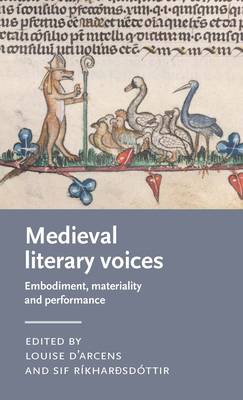
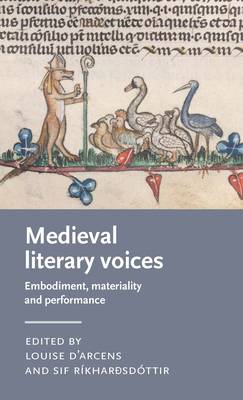
Medieval Literary Voices
Embodiment, Materiality and Performance
€ 209,45
+ 418 punten
Eenvoudig bestellen
Veilig betalen


Gratis thuislevering vanaf € 30 (via bpost)
Gratis levering in je Standaard Boekhandel
Omschrijving
Voice is a fleeting physical phenomenon that leaves behind traces of its existence. Medieval literary voices offers a wide-reaching approach to the concept of literary voices, both the vanished authorial ones and the implicit textual ones. Its impressive lineup deepens our understanding of how literary voices evoke the elusive voices lurking beyond the text, capturing the absent authorial voice, the traces of scribal voices and the soundscape of the uttered text. It explores multiple dimensions of medieval voice and vocalisations, and the interactions between literary voices and their authorial, scribal and socio-political settings. It contends that through the theorizing of literary voices we can begin to understand the ways in which medieval voices mediate or proclaim an embodied selfhood or material presence, how they dictate or contest moral conventions, and how they create and sustain narrative soundscapes.
Specificaties
Betrokkenen
- Uitgeverij:
Inhoud
- Aantal bladzijden:
- 312
- Taal:
- Engels
- Reeks:
Eigenschappen
- Productcode (EAN):
- 9781526149497
- Verschijningsdatum:
- 5/07/2022
- Uitvoering:
- Hardcover
- Formaat:
- Genaaid
- Afmetingen:
- 140 mm x 216 mm
- Gewicht:
- 517 g

Alleen bij Standaard Boekhandel
+ 418 punten op je klantenkaart van Standaard Boekhandel
CADEAU

AANGERADEN


Beoordelingen
We publiceren alleen reviews die voldoen aan de voorwaarden voor reviews. Bekijk onze voorwaarden voor reviews.