


- Afhalen na 1 uur in een winkel met voorraad
- Gratis thuislevering in België vanaf € 30
- Ruim aanbod met 7 miljoen producten
- Afhalen na 1 uur in een winkel met voorraad
- Gratis thuislevering in België vanaf € 30
- Ruim aanbod met 7 miljoen producten





€ 33,95
+ 67 punten
Omschrijving
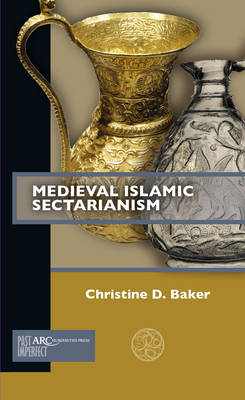
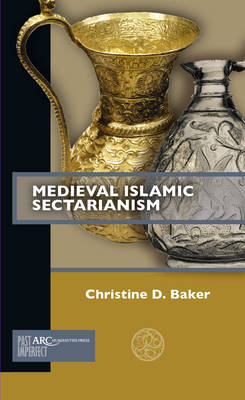
This book asks readers to re-examine their view of the Islamic world and the development of sectarianism in the Middle East by shining a light on the complexity and diversity of early Islamic society. The focus here is on the tenth century, a period in Middle Eastern history that has often been referred to as the "Shiʿi Century," when two Shiʿi dynasties rose to power: the Fatimids of North Africa and the Buyids of Iraq and Iran. Historians often call the period after the Shiʿi Century the "Sunni Revival" because that was when Sunni control was restored, but these terms present a misleading image of a unified medieval Islam that was predominately Sunni. While Sunni Islam eventually became politically and numerically dominant, Sunni and Shiʿi identities took centuries to develop as independent communities. When modern discussions of sectarianism in the Middle East reduce these identities to a 1400-year war between Sunnis and Shiʿis, we create a false narrative.
Specificaties
Betrokkenen
- Auteur(s):
- Uitgeverij:
Inhoud
- Aantal bladzijden:
- 120
- Taal:
- Engels
- Reeks:
Eigenschappen
- Productcode (EAN):
- 9781641890823
- Verschijningsdatum:
- 15/03/2019
- Uitvoering:
- Paperback
- Formaat:
- Trade paperback (VS)
- Afmetingen:
- 109 mm x 175 mm
- Gewicht:
- 113 g


Alleen bij Standaard Boekhandel
+ 67 punten op je klantenkaart van Standaard Boekhandel

Beoordelingen
We publiceren alleen reviews die voldoen aan de voorwaarden voor reviews. Bekijk onze voorwaarden voor reviews.