


- Afhalen na 1 uur in een winkel met voorraad
- Gratis thuislevering in België vanaf € 30
- Ruim aanbod met 7 miljoen producten
- Afhalen na 1 uur in een winkel met voorraad
- Gratis thuislevering in België vanaf € 30
- Ruim aanbod met 7 miljoen producten





Omschrijving
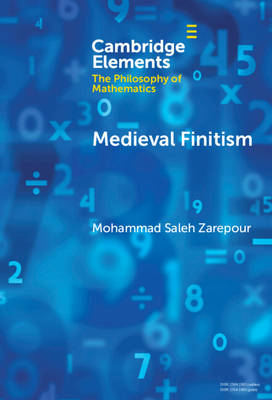
Discussing various versions of two medieval arguments for the impossibility of infinity, this Element sheds light on early stages of the evolution of the notion of INFINITIES OF DIFFERENT SIZES. The first argument is called 'the Equality Argument' and relies on the premise that all infinities are equal. The second argument is called 'the Mapping Argument' and relies on the assumption that if one thing is mapped/ superposed upon another thing and neither exceeds the other, the two things are equal to each other. Although these arguments were initially proposed in the context of discussions against the possibility of infinities, they have played pivotal roles in the historical evolution of the notion of INFINITIES OF DIFFERENT SIZES.
Specificaties
Betrokkenen
- Auteur(s):
- Uitgeverij:
Inhoud
- Aantal bladzijden:
- 80
- Taal:
- Engels
- Reeks:
Eigenschappen
- Productcode (EAN):
- 9781009618434
- Verschijningsdatum:
- 30/01/2025
- Uitvoering:
- Hardcover
- Formaat:
- Genaaid
- Afmetingen:
- 152 mm x 229 mm
- Gewicht:
- 281 g


Alleen bij Standaard Boekhandel
+ 248 punten op je klantenkaart van Standaard Boekhandel
Cadeau

AANGERADEN


Beoordelingen
We publiceren alleen reviews die voldoen aan de voorwaarden voor reviews. Bekijk onze voorwaarden voor reviews.