


- Afhalen na 1 uur in een winkel met voorraad
- Gratis thuislevering in België vanaf € 30
- Ruim aanbod met 7 miljoen producten
- Afhalen na 1 uur in een winkel met voorraad
- Gratis thuislevering in België vanaf € 30
- Ruim aanbod met 7 miljoen producten





Omschrijving
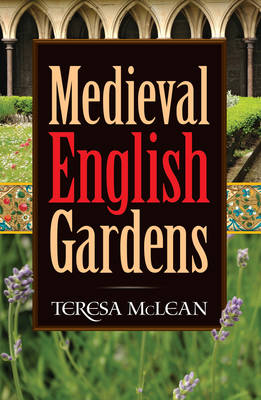
From castle to cottage, nearly every medieval dwelling possessed an enclosed plot for growing herbs, food, and flowers. This illustrated survey of gardening lore from the era between the Norman Conquest and the Renaissance reveals a wealth of ancient secrets. Drawn from obscure sources -- scraps of parchment from account rolls, charters, surveys, and registers -- the book provides hitherto inaccessible knowledge about the plans, organization, and common uses of gardens in the pre-industrial world.
Both an excellent work of scholarship and a fascinating read, the book examines the location, ownership, purpose, layout, overall appearance, fashions, and workmanship of English gardens. It further explores the gardens' colorful and fragrant contents, describing castle gardens, pleasure gardens, lovers' gardens, and secret gardens. Other subjects include infirmary gardens, herbariums, kitchen gardens, and flowery meads in addition to the cultivation of orchards, vineyards, and beehives.
Both an excellent work of scholarship and a fascinating read, the book examines the location, ownership, purpose, layout, overall appearance, fashions, and workmanship of English gardens. It further explores the gardens' colorful and fragrant contents, describing castle gardens, pleasure gardens, lovers' gardens, and secret gardens. Other subjects include infirmary gardens, herbariums, kitchen gardens, and flowery meads in addition to the cultivation of orchards, vineyards, and beehives.
Specificaties
Betrokkenen
- Auteur(s):
- Uitgeverij:
Inhoud
- Aantal bladzijden:
- 320
- Taal:
- Engels
Eigenschappen
- Productcode (EAN):
- 9780486781198
- Verschijningsdatum:
- 16/07/2014
- Uitvoering:
- Paperback
- Formaat:
- Trade paperback (VS)
- Afmetingen:
- 140 mm x 222 mm
- Gewicht:
- 371 g


Alleen bij Standaard Boekhandel
+ 37 punten op je klantenkaart van Standaard Boekhandel

Beoordelingen
We publiceren alleen reviews die voldoen aan de voorwaarden voor reviews. Bekijk onze voorwaarden voor reviews.