


- Afhalen na 1 uur in een winkel met voorraad
- Gratis thuislevering in België vanaf € 30
- Ruim aanbod met 7 miljoen producten
- Afhalen na 1 uur in een winkel met voorraad
- Gratis thuislevering in België vanaf € 30
- Ruim aanbod met 7 miljoen producten





€ 127,20
+ 254 punten
Omschrijving
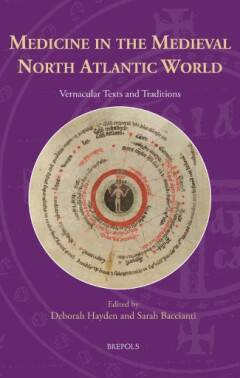
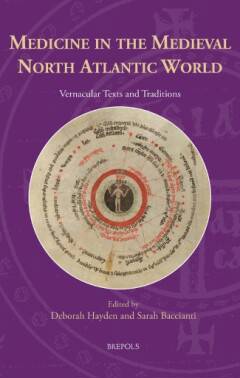
Studies of medical learning in medieval England, Wales, Ireland, and Scandinavia have traditionally focused on each geographical region individually, with the North Atlantic perceived as a region largely peripheral to European culture. Such an approach, however, means that knowledge within this part of the world is never considered in the context of more global interactions, where scholars were in fact deeply engaged in wider intellectual currents concerning medicine and healing that stemmed from both continental Europe and the Middle East. The chapters in this interdisciplinary collection draw together new research from historians, literary scholars, and linguists working on Norse, English, and Celtic material in order to bring fresh insights into the multilingual and cross-cultural nature of medical learning in northern Europe during the Middle Ages, c. 700-1600. They interrogate medical texts and ideas in both Latin and vernacular languages, addressing questions of translation, cultural and scientific inheritance, and exchange, and historical conceptions of health and the human being within nature. In doing so, this volume offers an in-depth study of the reception and transmission of medical knowledge that furthers our understanding both of scholarship in the medieval North Atlantic and across medieval Europe as a whole.
Specificaties
Betrokkenen
- Auteur(s):
- Uitgeverij:
Inhoud
- Aantal bladzijden:
- 504
- Taal:
- Engels
- Reeks:
- Reeksnummer:
- nr. 5
Eigenschappen
- Productcode (EAN):
- 9782503613338
- Verschijningsdatum:
- 02/05/2025
- Uitvoering:
- Hardcover
- Formaat:
- Genaaid
- Gewicht:
- 1297 g


Alleen bij Standaard Boekhandel
+ 254 punten op je klantenkaart van Standaard Boekhandel
Cadeau

AANGERADEN


Beoordelingen
We publiceren alleen reviews die voldoen aan de voorwaarden voor reviews. Bekijk onze voorwaarden voor reviews.