


- Afhalen na 1 uur in een winkel met voorraad
- Gratis thuislevering in België vanaf € 30
- Ruim aanbod met 7 miljoen producten
- Afhalen na 1 uur in een winkel met voorraad
- Gratis thuislevering in België vanaf € 30
- Ruim aanbod met 7 miljoen producten




€ 193,45
+ 386 punten
Omschrijving
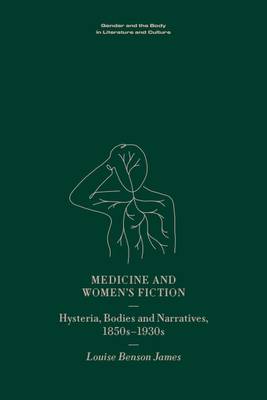
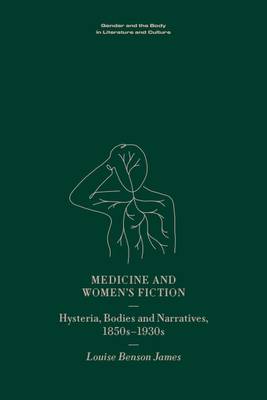
This book looks afresh at the history of hysteria to nuance and complicate existing understandings of the relationship between medicine and women's writing. Through in-depth analyses of both medical texts and women's fiction published between the 1850s and 1930s, it documents the prevalence of scientific ideas in popular culture and how hysterical symptomatology has been appropriated, reworked and satirised in literature. Examining novels and short stories by Charlotte Brontë, Rhoda Broughton, Sarah Grand, Lucas Malet and Djuna Barnes, Medicine and Women's Fiction traces women writers' fascination with the materiality and instability of the body, troubling inherited truths about mental health and gender in literary and medical discourse. In contrast to stereotypical images of hysteria, it draws particular attention to disorder as part of everyday experience: the familiar, mundane ways in which the body goes out of control, from involuntary movements to ghostly hallucinations and unruly organs. Altogether, Louise Benson James re-evaluates what it means to take hysteria seriously in fiction.
Specificaties
Betrokkenen
- Auteur(s):
- Uitgeverij:
Inhoud
- Aantal bladzijden:
- 264
- Taal:
- Engels
- Reeks:
Eigenschappen
- Productcode (EAN):
- 9781399523080
- Verschijningsdatum:
- 31/03/2026
- Uitvoering:
- Hardcover
- Formaat:
- Genaaid
- Afmetingen:
- 156 mm x 234 mm
- Gewicht:
- 548 g


Alleen bij Standaard Boekhandel
+ 386 punten op je klantenkaart van Standaard Boekhandel
Cadeau

AANGERADEN


Beoordelingen
We publiceren alleen reviews die voldoen aan de voorwaarden voor reviews. Bekijk onze voorwaarden voor reviews.