


- Afhalen na 1 uur in een winkel met voorraad
- Gratis thuislevering in België vanaf € 30
- Ruim aanbod met 7 miljoen producten
- Afhalen na 1 uur in een winkel met voorraad
- Gratis thuislevering in België vanaf € 30
- Ruim aanbod met 7 miljoen producten





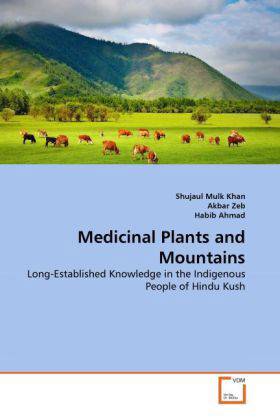
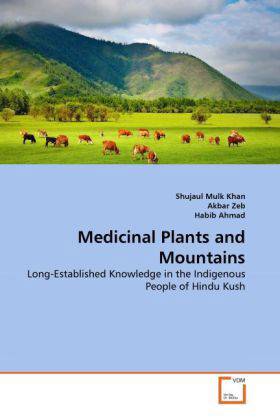
Medicinal Plants and Mountains
Long-Established Knowledge in the Indigenous People of Hindu Kush
Shujaul Mulk Khan, Akbar Zeb, Habib Ahmad
Paperback | Engels
€ 58,45
+ 116 punten
Omschrijving
The Hindu Kush, some 800 km long mountain range forms the geopolitical boundary between Pakistan and Afghanistan. An extensive survey was carried out during summer 2009 to document the traditional knowledge about the medicinal use of plants by the dwellers of one of the remote valley in Hindu Kush Mountains. The study showed that local inhabitants not only use medicinal plants for curing various diseases but also earn a substantial part of their livelihood by selling some of them in the markets. One hundred and fourteen of the medicinal plants were recognized to use as diuretic, laxative, antiseptic, anthelmintic, carminative, expectorant, astringent and purgative agents. Thirty species of them are also collected for trade purposes. According to the interviewed population, the availability of medicinal plants is decreasing day by day due to increasing human population, extensive grazing, increase in market demand and unwise collection. Therefore, study recommended that governmental and non-governmental organizations should play their possible role to aware the local people about threats to the plants and their sustainable future.
Specificaties
Betrokkenen
- Auteur(s):
- Uitgeverij:
Inhoud
- Aantal bladzijden:
- 144
- Taal:
- Engels
Eigenschappen
- Productcode (EAN):
- 9783639326987
- Verschijningsdatum:
- 26/06/2011
- Uitvoering:
- Paperback
- Afmetingen:
- 152 mm x 229 mm
- Gewicht:
- 222 g


Alleen bij Standaard Boekhandel
+ 116 punten op je klantenkaart van Standaard Boekhandel
Cadeau

AANGERADEN


Beoordelingen
We publiceren alleen reviews die voldoen aan de voorwaarden voor reviews. Bekijk onze voorwaarden voor reviews.