


- Afhalen na 1 uur in een winkel met voorraad
- Gratis thuislevering in België vanaf € 30
- Ruim aanbod met 7 miljoen producten
- Afhalen na 1 uur in een winkel met voorraad
- Gratis thuislevering in België vanaf € 30
- Ruim aanbod met 7 miljoen producten





€ 74,45
+ 148 punten
Omschrijving
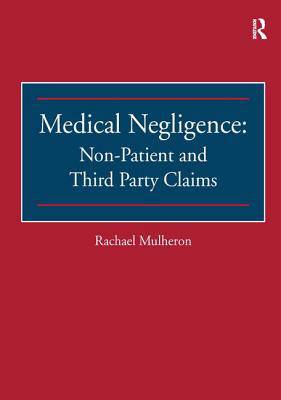
Healthcare professionals face an increasing threat of litigation from parties whom they have never met in their daily medical practice and who look nothing like the traditional patient. The so-called 'non-patient' may take many forms"for example, a person who is injured or killed by a mentally-ill, physically-disabled or diseased patient; a wrongfully-accused parent in a child neglect/abuse case; or a local authority which is put to the expense of caring for a negligently-treated patient. This book explores the legal principles and conundrums which arise when determining a healthcare professional's liability in negligence towards a wide variety of non-patients. The topic is assuming increasing legal importance and relevance, given the potential for many non-patient claims to give rise to class actions litigation, and in light of the legislative and human rights interventions, and the frequent appellate judicial consideration, which non-patient claims have attracted in recent times. The aim of the book is to have utility for both legal and medical professionals; for academics and students of comparative medical negligence and tort law; and for law reformers who may be interested in adopting certain features of statutory models elsewhere which pertain to some non-patient claims, such as those based upon 'Good Samaritan' conduct. Important parallels or counterpoints from other common law jurisdictions, in which courts and commentators have grappled with the legal complexities of non-patient claims, are also discussed and critically analyzed.
Specificaties
Betrokkenen
- Auteur(s):
- Uitgeverij:
Inhoud
- Aantal bladzijden:
- 470
- Taal:
- Engels
Eigenschappen
- Productcode (EAN):
- 9781138279629
- Verschijningsdatum:
- 16/11/2016
- Uitvoering:
- Paperback
- Formaat:
- Trade paperback (VS)
- Afmetingen:
- 175 mm x 246 mm
- Gewicht:
- 869 g


Alleen bij Standaard Boekhandel
+ 148 punten op je klantenkaart van Standaard Boekhandel
AANGERADEN


Beoordelingen
We publiceren alleen reviews die voldoen aan de voorwaarden voor reviews. Bekijk onze voorwaarden voor reviews.