



Je cadeautjes zeker op tijd in huis hebben voor de feestdagen? Kom langs in onze winkels en vind het perfecte geschenk!
- Afhalen na 1 uur in een winkel met voorraad
- Gratis thuislevering in België vanaf € 30
- Ruim aanbod met 7 miljoen producten
Je cadeautjes zeker op tijd in huis hebben voor de feestdagen? Kom langs in onze winkels en vind het perfecte geschenk!
- Afhalen na 1 uur in een winkel met voorraad
- Gratis thuislevering in België vanaf € 30
- Ruim aanbod met 7 miljoen producten





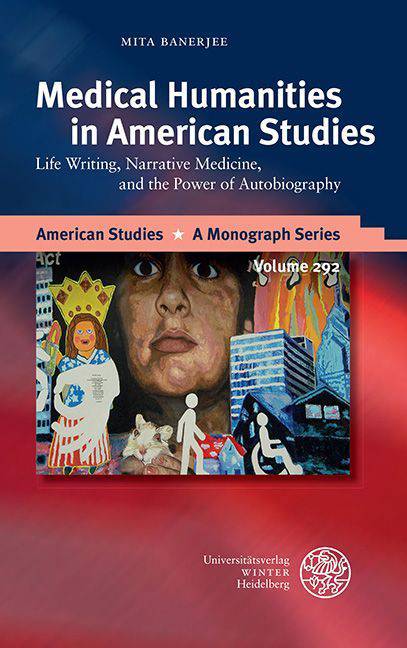
Medical Humanities in American Studies
Life Writing, Narrative Medicine, and the Power of Autobiography
Mita Banerjee
€ 98,45
+ 196 punten
Omschrijving
This book asks a seemingly simple question: How has the creation of new fields such as medical humanities and narrative medicine changed the humanities themselves, and American Studies more specifically? Turning to the genre of life writing, this study sets out to chart spaces in which a dialogue between the humanities and the life sciences can emerge. At the beginning of the twenty-first century, life writing narratives such as Tito Mukhopadhyay's 'Beyond the Silence', Temple Grandin's 'Thinking in Pictures', or Michael J. Fox's 'Lucky Man' show that self-description has often become inseparable from biomedical terminology. Linking life writing narratives to discussions in bioethics and exploring the links between autobiography and brain research, this book sets out to wonder whether the divide between the "two cultures" of the humanities and the life sciences may not itself have become obsolete.
Specificaties
Betrokkenen
- Auteur(s):
- Uitgeverij:
Inhoud
- Aantal bladzijden:
- 390
- Taal:
- Engels
- Reeks:
- Reeksnummer:
- nr. 292
Eigenschappen
- Productcode (EAN):
- 9783825369064
- Verschijningsdatum:
- 19/07/2018
- Uitvoering:
- Hardcover
- Formaat:
- Genaaid
- Afmetingen:
- 135 mm x 211 mm
- Gewicht:
- 566 g


Alleen bij Standaard Boekhandel
+ 196 punten op je klantenkaart van Standaard Boekhandel
CADEAU


Beoordelingen
We publiceren alleen reviews die voldoen aan de voorwaarden voor reviews. Bekijk onze voorwaarden voor reviews.