


- Afhalen na 1 uur in een winkel met voorraad
- Gratis thuislevering in België vanaf € 30
- Ruim aanbod met 7 miljoen producten
- Afhalen na 1 uur in een winkel met voorraad
- Gratis thuislevering in België vanaf € 30
- Ruim aanbod met 7 miljoen producten





€ 254,45
+ 508 punten
Omschrijving
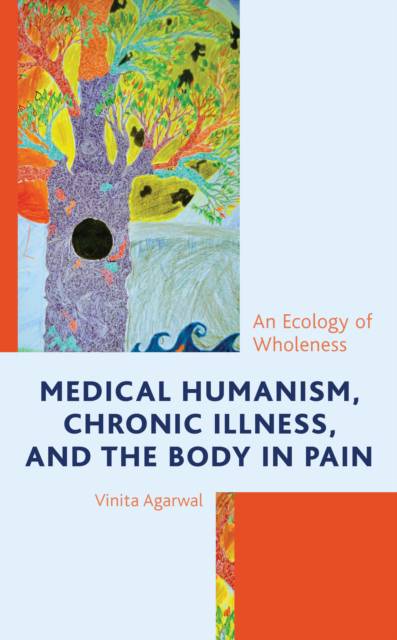
Even as life expectancies increase, increasing numbers of people are living with chronic illness and pain than ever before. Long-term self-management of chronic conditions involves negotiating the intersections of personal life choices, community and workplace structures, and family roles. Medical Humanism, Chronic Illness, and the Body in Pain: An Ecology of Wholeness proposes an ecological model of wholeness, which envisions wholeness in the dialogic engagement of the philosophical orientations of the biomedical and traditional medical systems. Vinita Agarwal proposes an integrative premise of being whole through revising the fundamental definitions of humanism, rethinking the self/body/environment, and thereby recognizing alternative ways of organizing knowledge and human experience as this model pushes the intersections of patient-centered care and sustainable health ethics. It is in the spaces of such intersections, Agarwal argues, that we accomplish healing as an integrative relationship of the individual with the multiple cultural logics underlying chronic conditions and the competing medical worldviews of our contemporary landscape. Scholars of communication, health, and medical humanities, along with practitioners working with patients who have chronic conditions, will find this book particularly useful.
Specificaties
Betrokkenen
- Auteur(s):
- Uitgeverij:
Inhoud
- Aantal bladzijden:
- 328
- Taal:
- Engels
- Reeks:
- Reeksnummer:
- nr. 8
Eigenschappen
- Productcode (EAN):
- 9781498596459
- Verschijningsdatum:
- 6/10/2020
- Uitvoering:
- Hardcover
- Formaat:
- Genaaid
- Afmetingen:
- 152 mm x 229 mm
- Gewicht:
- 648 g


Alleen bij Standaard Boekhandel
+ 508 punten op je klantenkaart van Standaard Boekhandel
Cadeau

AANGERADEN


Beoordelingen
We publiceren alleen reviews die voldoen aan de voorwaarden voor reviews. Bekijk onze voorwaarden voor reviews.