


- Afhalen na 1 uur in een winkel met voorraad
- Gratis thuislevering in België vanaf € 30
- Ruim aanbod met 7 miljoen producten
- Afhalen na 1 uur in een winkel met voorraad
- Gratis thuislevering in België vanaf € 30
- Ruim aanbod met 7 miljoen producten




Omschrijving
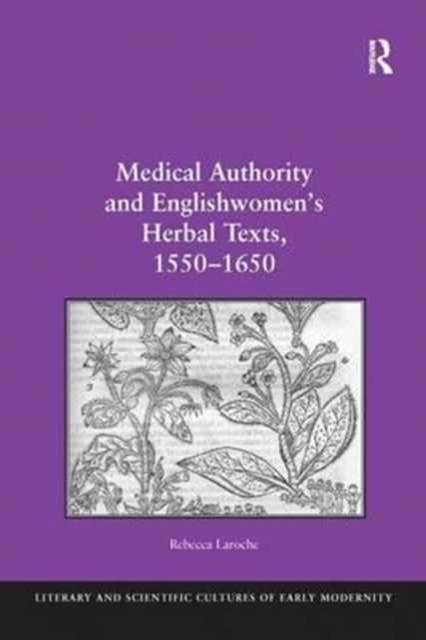
The first study to analyze print vernacular folio herbals from the standpoint of gender and to present original findings to do with early modern women's ownership of these herbals, Medical Authority and Englishwomen's Herbal Texts also looks at reasons and contexts behind early modern female writers claiming herbal practice. Author Rebecca Laroche first establishes cultural backdrops in the gendering of medical authority that takes place in the herbals and the regular ownership of these herbals by women. She then examines women's engagements with herbal texts in life writings and poetry and asks how these moments represent and engage medical authority. In ultimately demonstrating how female writers variously take on women's herbal medical practices, Laroche reveals the broad range of literary potentials within the historical category of women's medicine.
Specificaties
Betrokkenen
- Auteur(s):
- Uitgeverij:
Inhoud
- Aantal bladzijden:
- 208
- Taal:
- Engels
- Reeks:
Eigenschappen
- Productcode (EAN):
- 9781138250529
- Verschijningsdatum:
- 9/09/2016
- Uitvoering:
- Paperback
- Formaat:
- Trade paperback (VS)
- Afmetingen:
- 156 mm x 234 mm
- Gewicht:
- 299 g


Alleen bij Standaard Boekhandel
+ 244 punten op je klantenkaart van Standaard Boekhandel
AANGERADEN


Beoordelingen
We publiceren alleen reviews die voldoen aan de voorwaarden voor reviews. Bekijk onze voorwaarden voor reviews.