


- Afhalen na 1 uur in een winkel met voorraad
- Gratis thuislevering in België vanaf € 30
- Ruim aanbod met 7 miljoen producten
- Afhalen na 1 uur in een winkel met voorraad
- Gratis thuislevering in België vanaf € 30
- Ruim aanbod met 7 miljoen producten





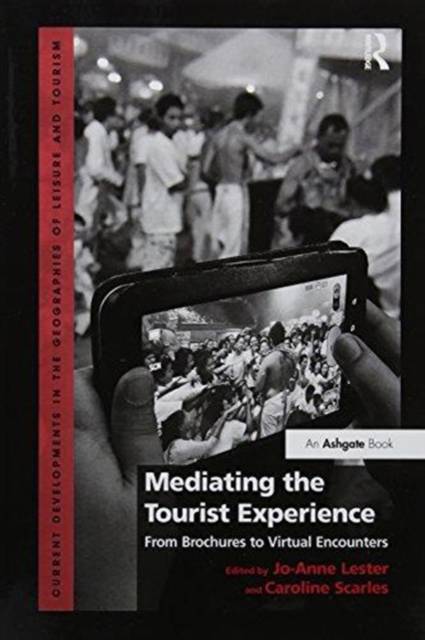
Mediating the Tourist Experience
From Brochures to Virtual Encounters
€ 111,45
+ 222 punten
Omschrijving
Traditionally, tourism media has referred to the image of destinations constructed through media texts such as brochures and postcards, with increasing attention towards other mediascapes such as films and television. Yet, with prolific advancements in technologies of media communication, such traditional formats have experienced a shift in the productive and consumptive practices through which they come into being. The possibilities of production and subsequent consumption are unequivocally changing the ways in which tourists imagine, understand and engage with destinations. This book therefore explores the role of tourism media and mediating practices in the development of non-linear processes of communication and understanding as both producers and consumers come together to negotiate the tourist experience. In varying ways it examines the emergent relationships and connections between media practices and tourism practices, everyday experiences and encounters of place. Collectively, the authors in this book address a range of media and technologies from brochures, television, video and film to mediated virtual spaces, such as e-brochures, Internet cultures, social networks, and Google Earth. In doing so, the book highlights the continued significance of media in tourism contexts; recognising both traditional and newer technologies, and the non-linear, continuous cycle of mediated representations and experiences.
Specificaties
Betrokkenen
- Uitgeverij:
Inhoud
- Aantal bladzijden:
- 296
- Taal:
- Engels
- Reeks:
Eigenschappen
- Productcode (EAN):
- 9781138255609
- Verschijningsdatum:
- 11/11/2016
- Uitvoering:
- Paperback
- Formaat:
- Trade paperback (VS)
- Afmetingen:
- 156 mm x 234 mm
- Gewicht:
- 421 g

Alleen bij Standaard Boekhandel
+ 222 punten op je klantenkaart van Standaard Boekhandel
AANGERADEN


Beoordelingen
We publiceren alleen reviews die voldoen aan de voorwaarden voor reviews. Bekijk onze voorwaarden voor reviews.