


- Afhalen na 1 uur in een winkel met voorraad
- Gratis thuislevering in België vanaf € 30
- Ruim aanbod met 7 miljoen producten
- Afhalen na 1 uur in een winkel met voorraad
- Gratis thuislevering in België vanaf € 30
- Ruim aanbod met 7 miljoen producten





€ 44,45
+ 88 punten
Omschrijving
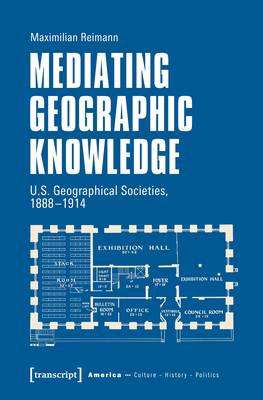
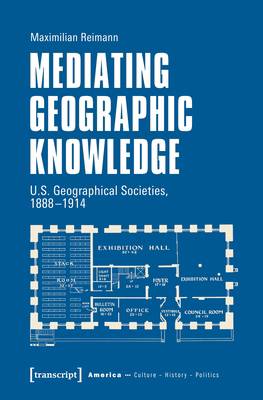
Between 1888 and 1914, U.S. geographical societies became central institutions mediating the production and circulation of geographic knowledge. Anchoring his analysis in the American Geographical Society, Maximilian Reimann moves beyond celebrated explorers to examine the knowledge infrastructures, networks, and everyday labor of editors, librarians, and councilors who defined modern geography. He traces how knowledge traveled from the field to libraries and archives, evolving into publications and lectures that had to balance academic credibility with popular appeal. Together, national and regional societies shaped geography into a respected discipline and a popular science entangled with American national ambitions and imperial visions.
Specificaties
Betrokkenen
- Auteur(s):
- Uitgeverij:
Inhoud
- Aantal bladzijden:
- 210
- Taal:
- Engels
- Reeks:
Eigenschappen
- Productcode (EAN):
- 9783837674880
- Verschijningsdatum:
- 24/03/2026
- Uitvoering:
- Paperback
- Formaat:
- Trade paperback (VS)
- Afmetingen:
- 152 mm x 229 mm
- Gewicht:
- 285 g


Alleen bij Standaard Boekhandel
+ 88 punten op je klantenkaart van Standaard Boekhandel
Cadeau

AANGERADEN


Beoordelingen
We publiceren alleen reviews die voldoen aan de voorwaarden voor reviews. Bekijk onze voorwaarden voor reviews.