


- Afhalen na 1 uur in een winkel met voorraad
- Gratis thuislevering in België vanaf € 30
- Ruim aanbod met 7 miljoen producten
- Afhalen na 1 uur in een winkel met voorraad
- Gratis thuislevering in België vanaf € 30
- Ruim aanbod met 7 miljoen producten





€ 192,45
+ 384 punten
Uitvoering
Omschrijving
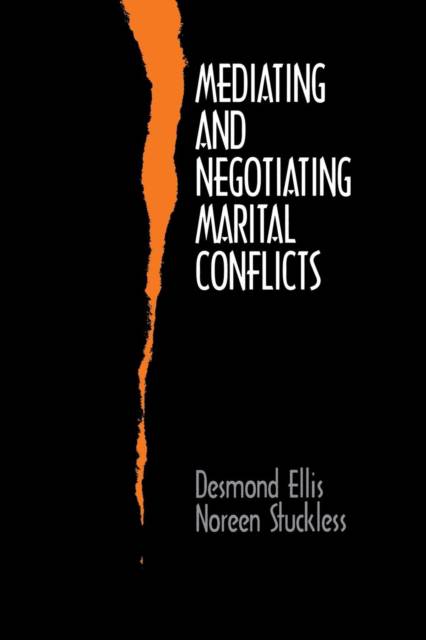
This book is an important tool for any mediator who works with divorce and couples in understanding the impact domestic violence can have on the mediating process. --Bruce E. Antman, J.D., Director, The M.A.N.E. Institute, Los Angeles Conflicts associated with marital separation and divorce have traditionally been settled by lawyers through negotiations. Since 1980 an increasing proportion of these conflicts have been settled or resolved through the process of marital conflict mediation. But supporters of each approach remain at odds, each criticizing the other in an ideologically driven standoff. Now Mediating and Negotiating Marital Conflicts presents an empirically grounded discussion of the outcomes of negotiation and mediation. Based on the authors′ comparative evaluation of marital separation and divorce clients of lawyers in private practice and clients of a court-based mediation service, this volume is designed to stimulate theory-guided, problem-focused research on spousal violence and power imbalances in divorce mediation. While building up theory, the authors also provide crucial, detailed information on implementing court-based mediation services in a way that protects often powerless partners from further abuse and other harmful consequences. A special chapter also considers the impact of the separation process on children. Written for practitioners, researchers, policymakers, and students, Mediating and Negotiating Marital Conflicts contributes to knowledge that is valuable in a variety of fields, including social work, clinical/counseling psychology, gender studies, criminology/criminal justice, family studies, and law.
Specificaties
Betrokkenen
- Auteur(s):
- Uitgeverij:
Inhoud
- Aantal bladzijden:
- 176
- Taal:
- Engels
Eigenschappen
- Productcode (EAN):
- 9780761905035
- Verschijningsdatum:
- 15/08/1996
- Uitvoering:
- Paperback
- Formaat:
- Trade paperback (VS)
- Afmetingen:
- 150 mm x 226 mm
- Gewicht:
- 317 g



Alleen bij Standaard Boekhandel
+ 384 punten op je klantenkaart van Standaard Boekhandel
Cadeau

AANGERADEN


Beoordelingen
We publiceren alleen reviews die voldoen aan de voorwaarden voor reviews. Bekijk onze voorwaarden voor reviews.