


- Afhalen na 1 uur in een winkel met voorraad
- Gratis thuislevering in België vanaf € 30
- Ruim aanbod met 7 miljoen producten
- Afhalen na 1 uur in een winkel met voorraad
- Gratis thuislevering in België vanaf € 30
- Ruim aanbod met 7 miljoen producten





€ 220,45
+ 440 punten
Uitvoering
Omschrijving
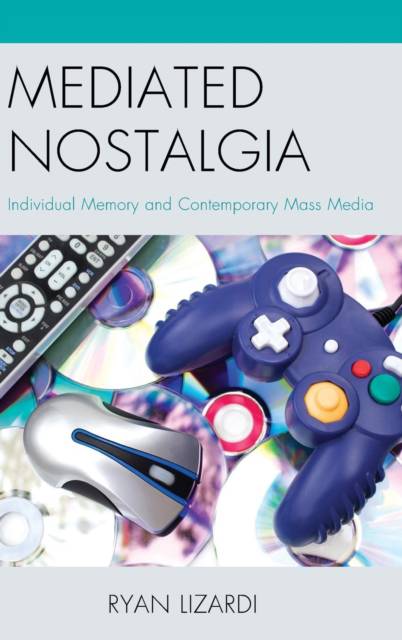
Considering the current rash of film remakes, vintage video game downloads, and box sets of bygone television shows, media today is obsessed with nostalgia. Instead of presenting a past that functions as an adaptive mirror with which we can compare our contemporary situation, the past is instead presented as an individualized version that transfixes us as uncritical citizens of our own culture. Mediated Nostalgia: Individual Memory and Contemporary Mass Media argues that the cultural implication of a cross-media eternal return to nostalgia is an increasing reliance on defining who we are as people and societies by what media we consumed as children. The unblinking eye toward the past knows no progress, or at the very least, does not employ the past to compare and adaptively engage with the present or future. Examining film, literature, television, and video games, Ryan Lizardi tackles the idea of why that strong sense of nostalgia is such a popular tactic for the media industry, and why it is problematic.
Specificaties
Betrokkenen
- Auteur(s):
- Uitgeverij:
Inhoud
- Aantal bladzijden:
- 166
- Taal:
- Engels
Eigenschappen
- Productcode (EAN):
- 9780739196212
- Verschijningsdatum:
- 6/11/2014
- Uitvoering:
- Hardcover
- Formaat:
- Genaaid
- Afmetingen:
- 152 mm x 231 mm
- Gewicht:
- 376 g


Alleen bij Standaard Boekhandel
+ 440 punten op je klantenkaart van Standaard Boekhandel
Cadeau

AANGERADEN


Beoordelingen
We publiceren alleen reviews die voldoen aan de voorwaarden voor reviews. Bekijk onze voorwaarden voor reviews.