


- Afhalen na 1 uur in een winkel met voorraad
- Gratis thuislevering in België vanaf € 30
- Ruim aanbod met 7 miljoen producten
- Afhalen na 1 uur in een winkel met voorraad
- Gratis thuislevering in België vanaf € 30
- Ruim aanbod met 7 miljoen producten





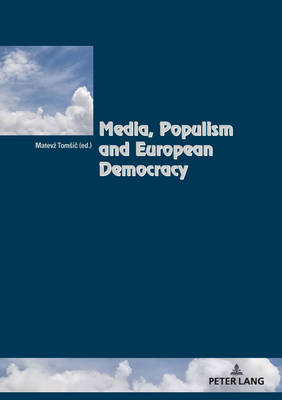
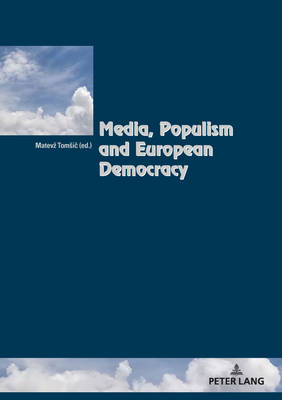
Media, Populism and European Democracy
€ 45,95
+ 91 punten
Omschrijving
The book offers insight into different relevant issues related to recent developments in the political and media space in Europe. The authors are interested in how these phenomena affect the future of the democratic system and the general development of the European Union. The special focus is on populism as one of the most discussed political phenomena in recent years. The assumption is that the rise of populism in Europe is a reaction to the anomalies and consequences of globalisation as well as a symptom of the crisis of established politics. Furthermore, the spread of populist messages is related to the profound change the media space is facing, particularly with the crisis of traditional media. Populists utilise different media channels that often serve to spread disinformation. Strengthening European democracy requires improving institutional effectiveness, responsiveness and accountability toward the citizenry, as well as building a European identity.
Specificaties
Betrokkenen
- Uitgeverij:
Inhoud
- Aantal bladzijden:
- 216
- Taal:
- Engels
- Reeks:
- Reeksnummer:
- nr. 55
Eigenschappen
- Productcode (EAN):
- 9783034356121
- Verschijningsdatum:
- 23/03/2026
- Uitvoering:
- Paperback
- Formaat:
- Trade paperback (VS)
- Afmetingen:
- 148 mm x 210 mm
- Gewicht:
- 263 g

Alleen bij Standaard Boekhandel
+ 91 punten op je klantenkaart van Standaard Boekhandel
Cadeau

AANGERADEN


Beoordelingen
We publiceren alleen reviews die voldoen aan de voorwaarden voor reviews. Bekijk onze voorwaarden voor reviews.