


- Afhalen na 1 uur in een winkel met voorraad
- Gratis thuislevering in België vanaf € 30
- Ruim aanbod met 7 miljoen producten
- Afhalen na 1 uur in een winkel met voorraad
- Gratis thuislevering in België vanaf € 30
- Ruim aanbod met 7 miljoen producten





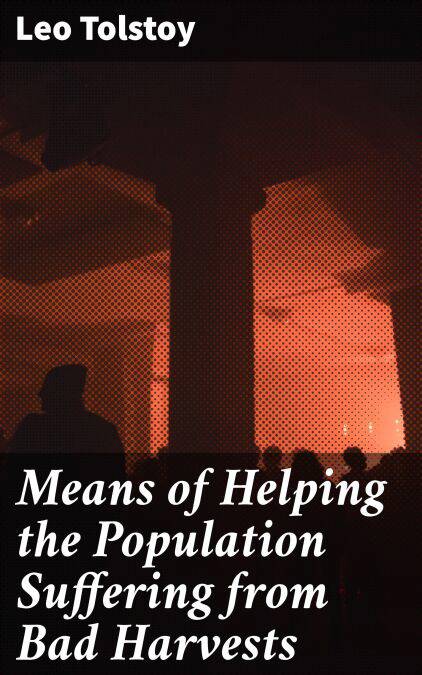
Means of Helping the Population Suffering from Bad Harvests E-BOOK
Addressing Agricultural Crisis: A Call for Unity and Compassion
Leo Tolstoy
E-book | Engels
€ 0,99
€ 1,99
Omschrijving
In "Means of Helping the Population Suffering from Bad Harvests," Leo Tolstoy addresses the devastating impact of agricultural failures on rural communities in 19th-century Russia. This treatise adopts a pragmatic and empathetic tone, illuminating the dire circumstances endured by the peasantry. Through a combination of personal anecdotes, sociopolitical analysis, and moral imperatives, Tolstoy critiques the inadequacies of existing relief systems, advocating for a more compassionate approach rooted in community solidarity and self-sufficiency. His literary style weaves together emotional resonance with logical argumentation, reflecting his deeper philosophical inquiries into human morality and societal structures, characteristic of his broader oeuvre in the context of Russian realism and social commentary. Leo Tolstoy, a towering figure in literature, is renowned not just for his novels such as "War and Peace" and "Anna Karenina" but also for his profound engagement with social issues. His experiences in rural Russia and his evolution toward a philosophy centered on moral and spiritual humanity profoundly influenced his writings. Tolstoy's commitment to alleviating human suffering and fostering social reform is evident as he pushes for systemic changes in the response to agricultural crises, prompted by his intimate understanding of peasant life. This compelling work is essential for readers interested in social justice, agrarian theory, and the intersection of literature and ethics. It serves as a poignant reminder of the moral imperatives underlying human existence and the need for empathy in addressing societal challenges. Tolstoy'Äôs insights remain strikingly relevant, offering a timeless call to action for those who wish to engage thoughtfully with the complexities of human suffering and relief.
Specificaties
Betrokkenen
- Auteur(s):
- Vertaler(s):
- Uitgeverij:
Inhoud
- Aantal bladzijden:
- 21
- Taal:
- Engels
Eigenschappen
- Productcode (EAN):
- 4064066463502
- Verschijningsdatum:
- 9/04/2021
- Uitvoering:
- E-book
- Beveiligd met:
- Digital watermarking
- Formaat:
- ePub


Alleen bij Standaard Boekhandel
Cadeau

AANGERADEN


Beoordelingen
We publiceren alleen reviews die voldoen aan de voorwaarden voor reviews. Bekijk onze voorwaarden voor reviews.