


- Afhalen na 1 uur in een winkel met voorraad
- Gratis thuislevering in België vanaf € 30
- Ruim aanbod met 7 miljoen producten
- Afhalen na 1 uur in een winkel met voorraad
- Gratis thuislevering in België vanaf € 30
- Ruim aanbod met 7 miljoen producten





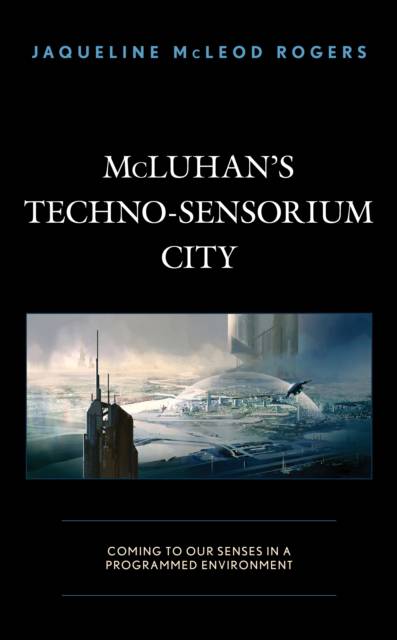
McLuhan's Techno-Sensorium City
Coming to Our Senses in a Programmed Environment
Jaqueline McLeod Rogers
Hardcover | Engels
€ 195,45
+ 390 punten
Omschrijving
In McLuhan's Techno-Sensorium City: Coming to Our Senses in a Programmed Environment, Jaqueline McLeod Rogers argues that Marshall McLuhan was both an activist and a speculative urbanist who drew from cross-disciplinary and ahistorical sources to explore constitutive exchanges between humanity and technologies to alter human perception and imagine a sustainable future based on collective participation in a responsive urban environment. This environment--a techno-sensorium--would endeavor to design and program technology to be favorable to life and capable of engaging with multiple senses. McLeod Rogers examines McLuhan's active engagement with the vibrant art and urban design culture of his day to further understand the ways in which the links he drew between media, technology, space, architecture, art, and cities continue to inform current urban and art criticism and practices. Scholars of media studies, urbanism, philosophy, architecture, and sociology will find this book particularly useful.
Specificaties
Betrokkenen
- Auteur(s):
- Uitgeverij:
Inhoud
- Aantal bladzijden:
- 192
- Taal:
- Engels
Eigenschappen
- Productcode (EAN):
- 9781793605245
- Verschijningsdatum:
- 14/10/2020
- Uitvoering:
- Hardcover
- Formaat:
- Genaaid
- Afmetingen:
- 152 mm x 229 mm
- Gewicht:
- 453 g


Alleen bij Standaard Boekhandel
+ 390 punten op je klantenkaart van Standaard Boekhandel
Cadeau

AANGERADEN


Beoordelingen
We publiceren alleen reviews die voldoen aan de voorwaarden voor reviews. Bekijk onze voorwaarden voor reviews.