


- Afhalen na 1 uur in een winkel met voorraad
- Gratis thuislevering in België vanaf € 30
- Ruim aanbod met 7 miljoen producten
- Afhalen na 1 uur in een winkel met voorraad
- Gratis thuislevering in België vanaf € 30
- Ruim aanbod met 7 miljoen producten





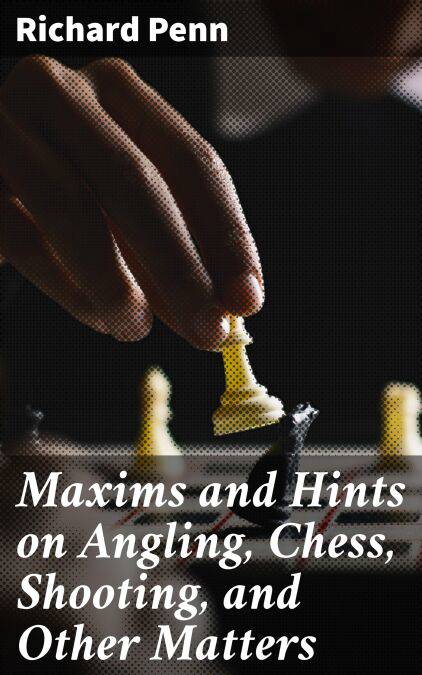
Maxims and Hints on Angling, Chess, Shooting, and Other Matters E-BOOK
Also, Miseries of Fishing
Richard Penn
E-book | Engels
€ 0,49
Omschrijving
In "Maxims and Hints on Angling, Chess, Shooting, and Other Matters," Richard Penn offers a compendium of reflections that deftly blend practical advice with philosophical musings. The book's literary style is characterized by its concise maxims, enabling readers to glean wisdom from various outdoor pursuits and intellectual games with equal ease. Penn'Äôs work reflects the cultural milieu of the 18th century, wherein leisure activities such as angling and chess were becoming increasingly valued as both recreational and contemplative practices. This text invites readers to contemplate the intersections of nature, strategy, and skill, while providing insights that remain relevant today. Richard Penn, an English writer and thinker, was known for his keen observational skills and varied interests, which encompassed not only literature but also sports and forms of recreation. His eclectic background may have been influenced by the shifting societal values of his time, where pastimes like shooting and chess were not merely activities but also avenues for moral and intellectual development. Penn'Äôs ability to intertwine these themes showcases his profound understanding of human nature and the pursuit of leisure as a reflective experience. This book is an essential read for enthusiasts of angling, chess, and outdoor exploration, as well as for anyone interested in the philosophical underpinnings of leisure pursuits. With its timeless insights, "Maxims and Hints" encourages readers to engage deeply with their passions while cultivating a reflective mindset. It is a thoughtful addition to any library, appealing to both casual readers and serious scholars alike.
Specificaties
Betrokkenen
- Auteur(s):
- Uitgeverij:
Inhoud
- Aantal bladzijden:
- 877
- Taal:
- Engels
Eigenschappen
- Productcode (EAN):
- 4057664563415
- Verschijningsdatum:
- 3/12/2019
- Uitvoering:
- E-book
- Beveiligd met:
- Digital watermarking
- Formaat:
- ePub


Alleen bij Standaard Boekhandel
AANGERADEN


Beoordelingen
We publiceren alleen reviews die voldoen aan de voorwaarden voor reviews. Bekijk onze voorwaarden voor reviews.