



Je cadeautjes zeker op tijd in huis hebben voor de feestdagen? Kom langs in onze winkels en vind het perfecte geschenk!
- Afhalen na 1 uur in een winkel met voorraad
- Gratis thuislevering in België vanaf € 30
- Ruim aanbod met 7 miljoen producten
Je cadeautjes zeker op tijd in huis hebben voor de feestdagen? Kom langs in onze winkels en vind het perfecte geschenk!
- Afhalen na 1 uur in een winkel met voorraad
- Gratis thuislevering in België vanaf € 30
- Ruim aanbod met 7 miljoen producten





€ 151,45
+ 302 punten
Omschrijving
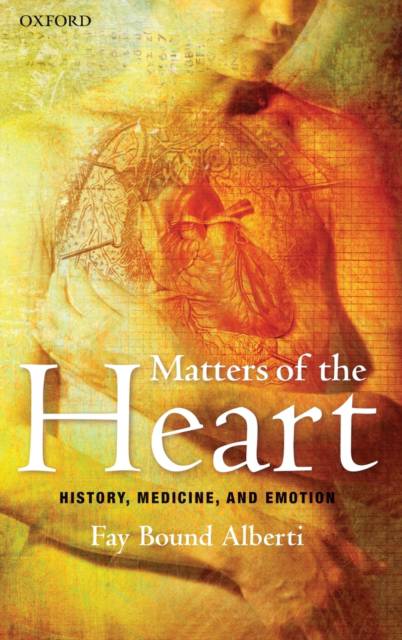
The heart is the most symbolic organ of the human body. Across cultures it is seen as the site of emotions, as well as the origin of life. We feel emotions in the heart, from the heart-stopping sensation of romantic love to the crushing sensation of despair. And yet since the nineteenth century the heart has been redefined in medical terms as a pump, an organ responsible for the circulation of the blood. Emotions have been removed from the heart as an active site of influence and towards the brain. It is the brain that is the organ most commonly associated with emotion in the modern West. So why, then, do the emotional meanings of the heart linger? Why do many transplantation patients believe that the heart, for instance, can transmit memories and emotions and why do we still refer to emotions as 'heartfelt'? We cannot answer these questions without reference to the history of the heart as both physical organ and emotional symbol. Matters of the Heart traces the ways emotions have been understood between the seventeenth and nineteenth centuries as both physical entities and spiritual experiences. With reference to historical interpretations of such key concepts as gender, emotion, subjectivity and the self, it also addresses the shifting relationship from heart to brain as competing centres of emotion in the West..
Specificaties
Betrokkenen
- Auteur(s):
- Uitgeverij:
Inhoud
- Aantal bladzijden:
- 242
- Taal:
- Engels
Eigenschappen
- Productcode (EAN):
- 9780199540976
- Verschijningsdatum:
- 28/02/2010
- Uitvoering:
- Hardcover
- Formaat:
- Genaaid
- Afmetingen:
- 142 mm x 216 mm
- Gewicht:
- 417 g



Alleen bij Standaard Boekhandel
+ 302 punten op je klantenkaart van Standaard Boekhandel
CADEAU


Beoordelingen
We publiceren alleen reviews die voldoen aan de voorwaarden voor reviews. Bekijk onze voorwaarden voor reviews.