


- Afhalen na 1 uur in een winkel met voorraad
- Gratis thuislevering in België vanaf € 30
- Ruim aanbod met 7 miljoen producten
- Afhalen na 1 uur in een winkel met voorraad
- Gratis thuislevering in België vanaf € 30
- Ruim aanbod met 7 miljoen producten





€ 17,45
+ 34 punten
Omschrijving
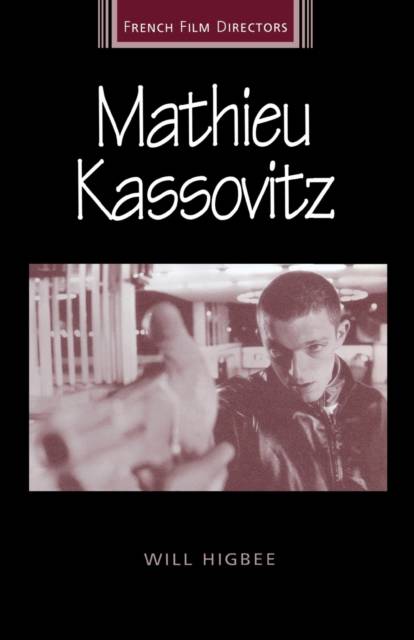
Mathieu Kassovitz is arguably the most important filmmaker to have emerged from French cinema in the past two decades. As a director, his work often engages with highly controversial socio-political issues whilst still managing to attract and connect with a popular audience - and, above all, with a youth audience.He is also one of the few contemporary French filmmakers who is capable of productively engaging with Hollywood, in terms of cinematic style, narrative and genre, yet still retaining his own identity as a French filmmaker. In addition to his directorial successes, Kassovitz has also achieved considerable critical and commercial success in France as a screen actor. His films - whether directed by or acted in, or both - show an astonishing variety, from his early Métisse (1993), his break-through, La Haine (1995) through to Jeunet's Le fabuleux destin d'Amélie Poulain (2000), Astérix et Obélix: Mission Cléopatre (2002) and Gothika (2003).Will Higbee's study is the first to explore of one of the most fascinating characters in French cinema.
Specificaties
Betrokkenen
- Auteur(s):
- Uitgeverij:
Inhoud
- Aantal bladzijden:
- 232
- Taal:
- Engels
- Reeks:
Eigenschappen
- Productcode (EAN):
- 9780719071478
- Verschijningsdatum:
- 28/02/2007
- Uitvoering:
- Paperback
- Formaat:
- Trade paperback (VS)
- Afmetingen:
- 130 mm x 196 mm
- Gewicht:
- 294 g



Alleen bij Standaard Boekhandel
+ 34 punten op je klantenkaart van Standaard Boekhandel
Cadeau

AANGERADEN


Beoordelingen
We publiceren alleen reviews die voldoen aan de voorwaarden voor reviews. Bekijk onze voorwaarden voor reviews.