


- Afhalen na 1 uur in een winkel met voorraad
- Gratis thuislevering in België vanaf € 30
- Ruim aanbod met 7 miljoen producten
- Afhalen na 1 uur in een winkel met voorraad
- Gratis thuislevering in België vanaf € 30
- Ruim aanbod met 7 miljoen producten





€ 167,95
+ 335 punten
Uitvoering
Omschrijving
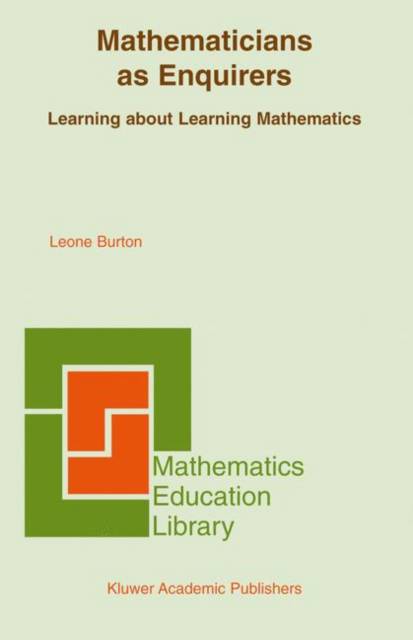
It is amazing that the usual reply to being introduced to a mathematician is a stumbling apology about how bad someone is at mathematics, no matter how good they may be in reality. The problem is that we have come to view mathematics as an arcane branch of knowledge that only a few can aspire to understand or grasp. The sense of separation between those who have the knowledge and those who do not, is present even amongst academics where many of the same skills and research practices exist - intuition, the use of symbolic structures and the use of intuition and insight. The more worrying aspect of this separation is the ever declining numbers of students choosing mathematics as part of their curriculum beyond the stage when it is mandatory. Even worse, it would seem that the mathematics community has created a discriminatory environment that deters many students from continuing beyond secondary and tertiary education. Exit interviews with graduates show a stark rejection of their previously chosen subject. What about mathematicians themselves - how do they see themselves? Do male and female mathematicians come to know their mathematics in different ways, do they tackle different problems with varying results for their status in the research community? Does the pervasive labelling that mathematics is a male domain arise because of a lack of role models for women or through its highly competitive, hierarchical nature? Are the negative labels often associated with mathematics, i. e.
Specificaties
Betrokkenen
- Auteur(s):
- Uitgeverij:
Inhoud
- Aantal bladzijden:
- 257
- Taal:
- Engels
- Reeks:
- Reeksnummer:
- nr. 34
Eigenschappen
- Productcode (EAN):
- 9781402078538
- Verschijningsdatum:
- 26/05/2004
- Uitvoering:
- Hardcover
- Formaat:
- Genaaid
- Afmetingen:
- 164 mm x 242 mm
- Gewicht:
- 576 g


Alleen bij Standaard Boekhandel
+ 335 punten op je klantenkaart van Standaard Boekhandel
Cadeau

AANGERADEN


Beoordelingen
We publiceren alleen reviews die voldoen aan de voorwaarden voor reviews. Bekijk onze voorwaarden voor reviews.