


- Afhalen na 1 uur in een winkel met voorraad
- Gratis thuislevering in België vanaf € 30
- Ruim aanbod met 7 miljoen producten
- Afhalen na 1 uur in een winkel met voorraad
- Gratis thuislevering in België vanaf € 30
- Ruim aanbod met 7 miljoen producten





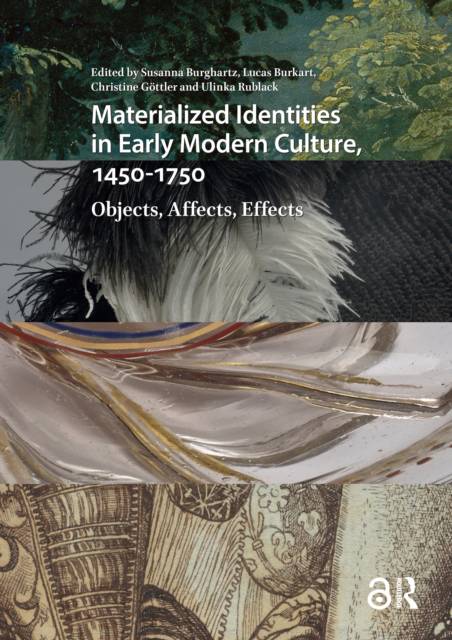
Materialized Identities in Early Modern Culture, 1450-1750
Objects, Affects, Effects
€ 116,45
+ 232 punten
Omschrijving
This collection engages with the agentive qualities of matter and it shows how affective dimensions in history connect with material history. It also explores the religious and cultural identity dimensions of the use of materials and artefacts.
Specificaties
Betrokkenen
- Uitgeverij:
Inhoud
- Aantal bladzijden:
- 418
- Taal:
- Engels
- Reeks:
Eigenschappen
- Productcode (EAN):
- 9789463728959
- Verschijningsdatum:
- 2/08/2021
- Uitvoering:
- Hardcover
- Formaat:
- Genaaid
- Afmetingen:
- 170 mm x 244 mm
- Gewicht:
- 861 g

Alleen bij Standaard Boekhandel
+ 232 punten op je klantenkaart van Standaard Boekhandel
Cadeau

AANGERADEN


Beoordelingen
We publiceren alleen reviews die voldoen aan de voorwaarden voor reviews. Bekijk onze voorwaarden voor reviews.