


- Afhalen na 1 uur in een winkel met voorraad
- Gratis thuislevering in België vanaf € 30
- Ruim aanbod met 7 miljoen producten
- Afhalen na 1 uur in een winkel met voorraad
- Gratis thuislevering in België vanaf € 30
- Ruim aanbod met 7 miljoen producten





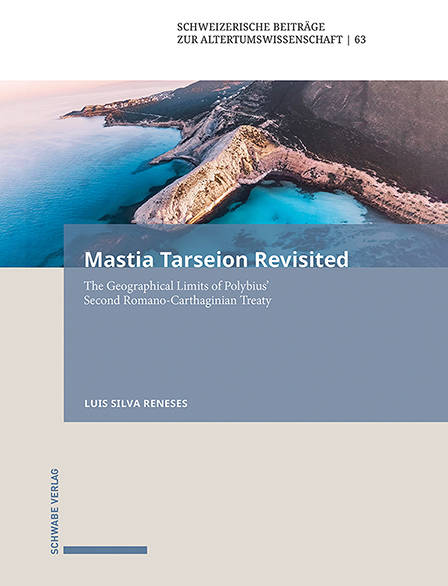
Mastia Tarseion Revisited
The Geographical Limits of Polybius Second Romano-Carthaginian Treaty
Luis Silva Reneses
€ 47,45
+ 94 punten
Omschrijving
Polybius reports that the second Romano-Carthaginian treaty included a clause forbidding the Romans to pillage, trade, or found cities beyond the Fair Promontory (modern Cape Bon) and a mysterious place called Mastia Tarseion. On the assumption that Mastia Tarseion was located in southern Iberia, modern scholars have used the treaty as evidence for a proactive and enduring Carthaginian presence in the Iberian Peninsula as early as 348 BCE. A close examination of the treaty's contents, Polybius' comments on it, and the other evidence available - including two problematic entries in Stephanus of Byzantium's Ethnika - reveals that Mastia Tarseion was in fact a promontory on the North African coast, west of but not very far from the city of Carthage. The treaty thus emerges as a key document for understanding the nature and evolution of Carthaginian imperialism in the western Mediterranean.>
Specificaties
Betrokkenen
- Auteur(s):
- Uitgeverij:
Inhoud
- Aantal bladzijden:
- 220
- Taal:
- Engels
- Reeks:
- Reeksnummer:
- nr. 63
Eigenschappen
- Productcode (EAN):
- 9783796554162
- Verschijningsdatum:
- 8/12/2025
- Uitvoering:
- Hardcover
- Formaat:
- Genaaid
- Afmetingen:
- 160 mm x 18 mm
- Gewicht:
- 1147 g


Alleen bij Standaard Boekhandel
+ 94 punten op je klantenkaart van Standaard Boekhandel
Cadeau

AANGERADEN


Beoordelingen
We publiceren alleen reviews die voldoen aan de voorwaarden voor reviews. Bekijk onze voorwaarden voor reviews.