


- Afhalen na 1 uur in een winkel met voorraad
- Gratis thuislevering in België vanaf € 30
- Ruim aanbod met 7 miljoen producten
- Afhalen na 1 uur in een winkel met voorraad
- Gratis thuislevering in België vanaf € 30
- Ruim aanbod met 7 miljoen producten





Omschrijving
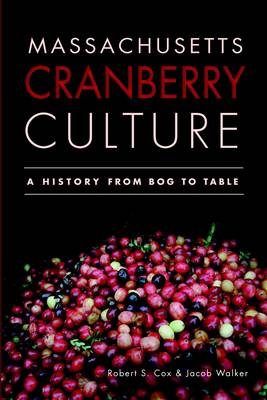
New Englanders know that cranberries are not for holidays alone. For centuries, this tart fruit--a staple in the Yankee diet since before it was domesticated--has reigned over the cranberry heartland of Barnstable and Plymouth Counties, Massachusetts. Dozens of recipes that utilize the humble fruit have risen up over the years, the most popular being cranberry sauce, which one imaginative New Englander paired with lobster. The popularity of the berry exploded in the 1840s, and despite occasional setbacks such as the great pesticide scare of 1959, demand continues to rise to this day. Authors Robert S. Cox and Jacob Walker trace the evolution of cranberry culture in the Bay State, exploring the delectable history of this quintessential New England industry.
Specificaties
Betrokkenen
- Auteur(s):
- Uitgeverij:
Inhoud
- Aantal bladzijden:
- 144
- Taal:
- Engels
- Reeks:
Eigenschappen
- Productcode (EAN):
- 9781609495138
- Verschijningsdatum:
- 14/09/2012
- Uitvoering:
- Paperback
- Formaat:
- Trade paperback (VS)
- Afmetingen:
- 152 mm x 226 mm
- Gewicht:
- 272 g


Alleen bij Standaard Boekhandel
Cadeau

AANGERADEN


Beoordelingen
We publiceren alleen reviews die voldoen aan de voorwaarden voor reviews. Bekijk onze voorwaarden voor reviews.