



Bedankt voor het vertrouwen het afgelopen jaar! Om jou te bedanken bieden we GRATIS verzending (in België) aan op alles gedurende de hele maand januari.
- Afhalen na 1 uur in een winkel met voorraad
- In januari gratis thuislevering in België
- Ruim aanbod met 7 miljoen producten
Bedankt voor het vertrouwen het afgelopen jaar! Om jou te bedanken bieden we GRATIS verzending (in België) aan op alles gedurende de hele maand januari.
- Afhalen na 1 uur in een winkel met voorraad
- In januari gratis thuislevering in België
- Ruim aanbod met 7 miljoen producten





€ 183,45
+ 366 punten
Omschrijving
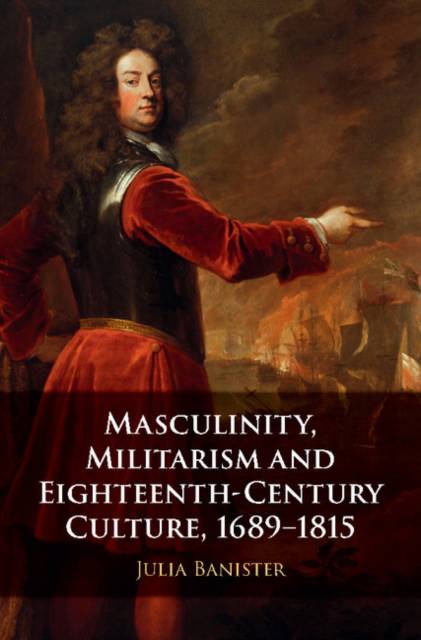
This book investigates the figure of the military man in the long eighteenth century in order to explore how ideas about militarism served as vehicles for conceptualizations of masculinity. Bringing together representations of military men and accounts of court martial proceedings, this book examines eighteenth-century arguments about masculinity and those that appealed to the 'naturally' sexed body and construed masculinity as social construction and performance. Julia Banister's discussion draws on a range of printed materials, including canonical literary and philosophical texts by David Hume, Adam Smith, Horace Walpole and Jane Austen, and texts relating to the naval trials of, amongst others, Admiral John Byng. By mapping eighteenth-century ideas about militarism, including professionalism and heroism, alongside broader cultural concerns with politeness, sensibility, the Gothic past and celebrity, Julia Banister reveals how ideas about masculinity and militarism were shaped by and within eighteenth-century culture.
Specificaties
Betrokkenen
- Auteur(s):
- Uitgeverij:
Inhoud
- Aantal bladzijden:
- 264
- Taal:
- Engels
Eigenschappen
- Productcode (EAN):
- 9781107195196
- Verschijningsdatum:
- 26/04/2018
- Uitvoering:
- Hardcover
- Formaat:
- Genaaid
- Afmetingen:
- 159 mm x 234 mm
- Gewicht:
- 512 g



Alleen bij Standaard Boekhandel
+ 366 punten op je klantenkaart van Standaard Boekhandel
SOLDEN


Beoordelingen
We publiceren alleen reviews die voldoen aan de voorwaarden voor reviews. Bekijk onze voorwaarden voor reviews.