


- Afhalen na 1 uur in een winkel met voorraad
- Gratis thuislevering in België vanaf € 30
- Ruim aanbod met 7 miljoen producten
- Afhalen na 1 uur in een winkel met voorraad
- Gratis thuislevering in België vanaf € 30
- Ruim aanbod met 7 miljoen producten





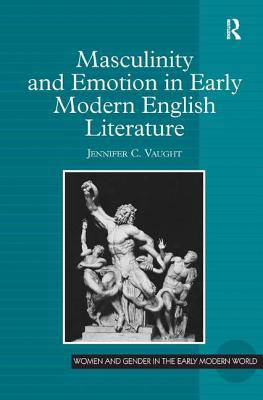
Masculinity and Emotion in Early Modern English Literature
Jennifer C Vaught
€ 343,45
+ 686 punten
Uitvoering
Omschrijving
Offering new readings of works by Shakespeare, Spenser, and their contemporaries, this study examines the profound impact of the cultural shift in the English aristocracy from feudal warriors to emotionally expressive courtiers or gentlemen on all kinds of men in early modern English literature. Jennifer Vaught traces the gradual emergence of men of feeling during the sixteenth and seventeenth centuries, to the blossoming of this literary version of manhood during the eighteenth century.
Specificaties
Betrokkenen
- Auteur(s):
- Uitgeverij:
Inhoud
- Aantal bladzijden:
- 256
- Taal:
- Engels
- Reeks:
Eigenschappen
- Productcode (EAN):
- 9780754662945
- Verschijningsdatum:
- 28/03/2008
- Uitvoering:
- Hardcover
- Formaat:
- Genaaid
- Afmetingen:
- 156 mm x 234 mm
- Gewicht:
- 539 g


Alleen bij Standaard Boekhandel
+ 686 punten op je klantenkaart van Standaard Boekhandel

Beoordelingen
We publiceren alleen reviews die voldoen aan de voorwaarden voor reviews. Bekijk onze voorwaarden voor reviews.