


- Afhalen na 1 uur in een winkel met voorraad
- Gratis thuislevering in België vanaf € 30
- Ruim aanbod met 7 miljoen producten
- Afhalen na 1 uur in een winkel met voorraad
- Gratis thuislevering in België vanaf € 30
- Ruim aanbod met 7 miljoen producten





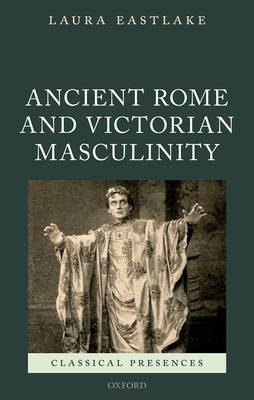
Masculinity and Ancient Rome in the Victorian Cultural Imagination
Laura Eastlake
€ 201,45
+ 402 punten
Eenvoudig bestellen
Veilig betalen


Gratis thuislevering vanaf € 30 (via bpost)
Gratis levering in je Standaard Boekhandel
Omschrijving
Masculinity and Ancient Rome in the Victorian Cultural Imagination examines Victorian receptions of ancient Rome, with a specific focus on how those receptions were deployed to create useable models of masculinity. Romans in Victorian literature are at once pagan persecutors, pious statesmen, pleasure-seeking decadents, and heroes of empire, and these manifold and often contradictory representations are used as vehicles equally to capture the martial virtue of Wellington and to condemn the deviance and degeneracy of Oscar Wilde. In the works of Thomas Macaulay, Wilkie Collins, Anthony Trollope, H. Rider Haggard, and Rudyard Kipling, among others, Rome emerges as a contested space with an array of possible scripts and signifiers which can be used to frame masculine ideals, or to vilify perceived deviance from those ideals, though with a value and significance often very different to ancient Greek models. Sitting at the intersection of reception studies, gender studies, and interdisciplinary literary and cultural studies across discourses ranging from education and politics, this volume offers the first comprehensive examination of the importance of ancient Rome as a cultural touchstone for nineteenth-century manliness and Victorian codifications of masculinity.
Specificaties
Betrokkenen
- Auteur(s):
- Uitgeverij:
Inhoud
- Aantal bladzijden:
- 258
- Taal:
- Engels
- Reeks:
Eigenschappen
- Productcode (EAN):
- 9780198833031
- Verschijningsdatum:
- 22/01/2019
- Uitvoering:
- Hardcover
- Formaat:
- Genaaid
- Afmetingen:
- 142 mm x 218 mm
- Gewicht:
- 453 g


Alleen bij Standaard Boekhandel
+ 402 punten op je klantenkaart van Standaard Boekhandel
CADEAU

AANGERADEN


Beoordelingen
We publiceren alleen reviews die voldoen aan de voorwaarden voor reviews. Bekijk onze voorwaarden voor reviews.