



Bedankt voor het vertrouwen het afgelopen jaar! Om jou te bedanken bieden we GRATIS verzending (in België) aan op alles gedurende de hele maand januari.
- Afhalen na 1 uur in een winkel met voorraad
- In januari gratis thuislevering in België
- Ruim aanbod met 7 miljoen producten
Bedankt voor het vertrouwen het afgelopen jaar! Om jou te bedanken bieden we GRATIS verzending (in België) aan op alles gedurende de hele maand januari.
- Afhalen na 1 uur in een winkel met voorraad
- In januari gratis thuislevering in België
- Ruim aanbod met 7 miljoen producten





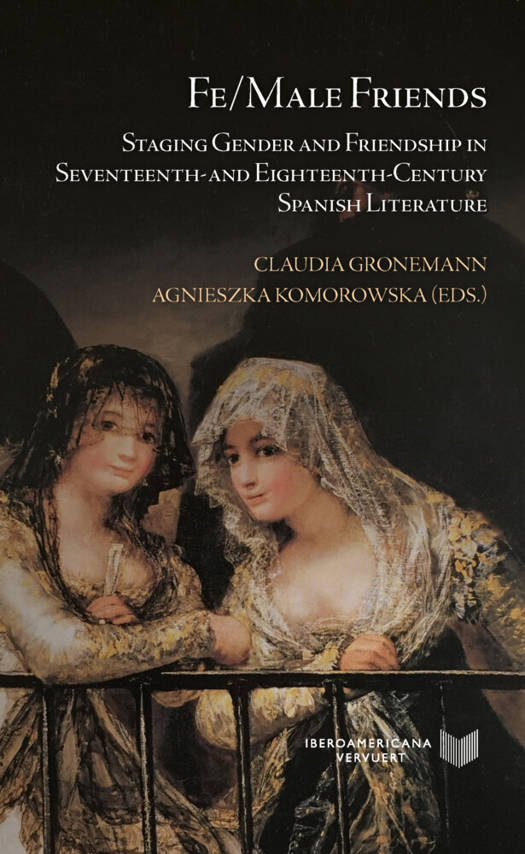
[Más información] Fe/Male Friends : Staging Gender and Friendship in Seventeenth- and Eighteenth-Century Spanish Literature
€ 45,45
+ 90 punten
Omschrijving
Although the traditions of philia and amicitia proclaim friendship as a universal concept, it has been an androcentric model until the emergence of the female friend in the Age of Enlightenment. This book analyzes the discursive turn from premodern to modern gendered constructions of friends in Spanish literature and sheds light on specific models of male, female, and mixed relationships in the seventeenth and eighteenth century. Our approach reveals the gendering of male friendship through the exclusion of women and shows the crucial moment when women appear capable of true friendship. The study traces the process of transition from a homosocial bond based on a feudal notion of honor in the Siglo de Oro to new forms of affective relations in a proto-bourgeois society that promotes equality, reason and citizenship.This book spans two centuries of friendship and scrutinizes the creation of specifically gendered social bonds in literary and theoretical frameworks ranging from political writing to poetry, and from the working classes to the intellectual elites. Through novellas, novels, plays, poems, moral weeklies, and letters by female and male authors, every chapter examines a specific concept of fe/male friends related to society, politics, ethics, subjectivity, courtly culture, family and marriage structures. Thus, the book demonstrates the very act of gendering as it relates to friendship as one of the most important forms of social interaction.
Specificaties
Betrokkenen
- Uitgeverij:
Inhoud
- Aantal bladzijden:
- 270
- Taal:
- Engels
- Reeks:
- Reeksnummer:
- nr. 40
Eigenschappen
- Productcode (EAN):
- 9783968694276
- Uitvoering:
- Hardcover
- Afmetingen:
- 150 mm x 240 mm
- Gewicht:
- 640 g

Alleen bij Standaard Boekhandel
+ 90 punten op je klantenkaart van Standaard Boekhandel
SOLDEN


Beoordelingen
We publiceren alleen reviews die voldoen aan de voorwaarden voor reviews. Bekijk onze voorwaarden voor reviews.