


- Afhalen na 1 uur in een winkel met voorraad
- Gratis thuislevering in België vanaf € 30
- Ruim aanbod met 7 miljoen producten
- Afhalen na 1 uur in een winkel met voorraad
- Gratis thuislevering in België vanaf € 30
- Ruim aanbod met 7 miljoen producten





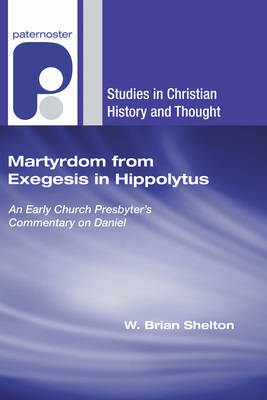
Martyrdom from Exegesis in Hippolytus
An Early Church Presbyter's Commentary on Daniel
W Brian Shelton
€ 62,45
+ 124 punten
Uitvoering
Omschrijving
In the third century CE, Emperor Septimius Severus unleashed a shocking and severe persecution against the Christian church. Witnessing the fear and confusion in his congregations, the presbyter Hippolytus crafted his Commentary on Daniel to encourage Christians confronted with the reality of martyrdom and persecution. In a work which comes to us as the earliest orthodox Christian commentary on scripture, Hippolytus interprets the text through allegory, typology, theodicy, paraenesis, and reflection to create a motif of martyrdom. By doing so, Hippolytus guides Christians iin their communities as they stand heroically before the tribunal of Caesar, like the Danielic characters stood before authorities in Babylon. His purpose in the commentary is clearly pastoral, arising from his role as presbyter: to exhort his Christian congregations to prepare to be martyred for Christ amidst Roman persecution.
Specificaties
Betrokkenen
- Auteur(s):
- Uitgeverij:
Inhoud
- Aantal bladzijden:
- 192
- Taal:
- Engels
- Reeks:
Eigenschappen
- Productcode (EAN):
- 9781498252782
- Verschijningsdatum:
- 1/12/2008
- Uitvoering:
- Hardcover
- Formaat:
- Genaaid
- Afmetingen:
- 152 mm x 229 mm
- Gewicht:
- 439 g


Alleen bij Standaard Boekhandel
+ 124 punten op je klantenkaart van Standaard Boekhandel
Cadeau

AANGERADEN


Beoordelingen
We publiceren alleen reviews die voldoen aan de voorwaarden voor reviews. Bekijk onze voorwaarden voor reviews.