



Je cadeautjes zeker op tijd in huis hebben voor de feestdagen? Kom langs in onze winkels en vind het perfecte geschenk!
- Afhalen na 1 uur in een winkel met voorraad
- Gratis thuislevering in België vanaf € 30
- Ruim aanbod met 7 miljoen producten
Je cadeautjes zeker op tijd in huis hebben voor de feestdagen? Kom langs in onze winkels en vind het perfecte geschenk!
- Afhalen na 1 uur in een winkel met voorraad
- Gratis thuislevering in België vanaf € 30
- Ruim aanbod met 7 miljoen producten





€ 32,45
+ 64 punten
Omschrijving
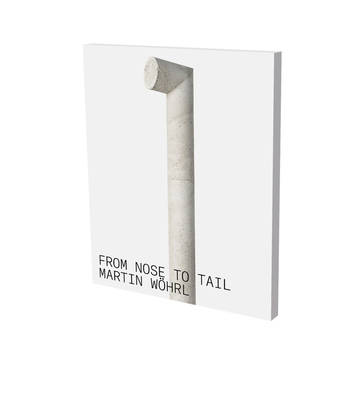
From Nose to Tail is published on the occasion of Martin Wöhrl's (*1974) solo exhibition "Elephant in the Room" in the summer of 2020 at Kunstverein Ingolstadt, which focused primarily on his concrete works. The title, meanwhile, is a term used in the field of gastronomy and refers to the most complete processing of an animal, from the tenderloin and its innards to its tail. Martin Wöhrl uses this reference because he attaches the same value to all the component materials of his sculptures, and he also works with the remnants of his productions to create ever new combinations. The Munich-born artist constructs his sculptures by combining tangible set pieces of actual existing architecture, either sacred or profane in nature, in a manner that encourages dialogue--such as linoleum and brass. It occasionally appears as though he created dream images while his mind went woolgathering. Initially, however, in keeping with an aesthetic core belief in a minimalist approach to material, he opted for wood, concrete, and plaster; he piled up concrete cubes, placed frames on the wall, or positioned tubes and pipes within a space.
Specificaties
Betrokkenen
- Auteur(s):
- Uitgeverij:
Inhoud
- Aantal bladzijden:
- 64
- Taal:
- Engels
Eigenschappen
- Productcode (EAN):
- 9783864423376
- Verschijningsdatum:
- 14/09/2021
- Uitvoering:
- Paperback
- Formaat:
- Trade paperback (VS)
- Afmetingen:
- 190 mm x 241 mm
- Gewicht:
- 285 g


Alleen bij Standaard Boekhandel
+ 64 punten op je klantenkaart van Standaard Boekhandel
CADEAU


Beoordelingen
We publiceren alleen reviews die voldoen aan de voorwaarden voor reviews. Bekijk onze voorwaarden voor reviews.