


- Afhalen na 1 uur in een winkel met voorraad
- Gratis thuislevering in België vanaf € 30
- Ruim aanbod met 7 miljoen producten
- Afhalen na 1 uur in een winkel met voorraad
- Gratis thuislevering in België vanaf € 30
- Ruim aanbod met 7 miljoen producten





€ 31,02
+ 62 punten
Omschrijving
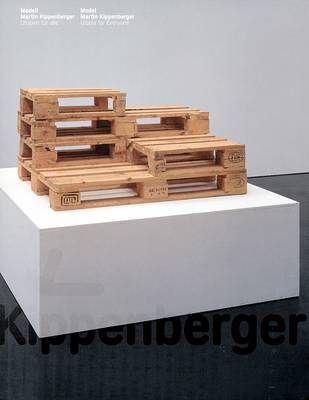
Painter Christopher Wool has written, "Some of the best stand-up performance I ever saw was Martin [Kippenberger] telling jokes in the back of some bar or restaurant." Which is not to dismiss the legendary German artist, who was at the forefront of the much-storied Cologne art scene of the early 1990s--Kippenberger, who died in 1997, used humor like a laser, to illuminate power structures and taboos. One of the most important artists of the twentieth century, he not only worked in a variety of media--painting, sculpture, books and multiples--but, taking a cue from Joseph Beuys, actively tried to conceive new possibilities on which to model an art practice. This volume, published for an exhibition at Austria's acclaimed Kunsthaus Graz, includes incisive essays by curator and critic Daniel Birnbaum and linguist and writer Martin Prinzhorn, which examine the softer, more utopian side of the artist.
Specificaties
Betrokkenen
- Auteur(s):
- Uitgeverij:
Inhoud
- Aantal bladzijden:
- 200
- Taal:
- Engels
Eigenschappen
- Productcode (EAN):
- 9783865603111
- Verschijningsdatum:
- 1/03/2008
- Uitvoering:
- Paperback
- Formaat:
- Trade paperback (VS)
- Afmetingen:
- 219 mm x 281 mm
- Gewicht:
- 993 g


Alleen bij Standaard Boekhandel
+ 62 punten op je klantenkaart van Standaard Boekhandel
Wedstrijd


Beoordelingen
We publiceren alleen reviews die voldoen aan de voorwaarden voor reviews. Bekijk onze voorwaarden voor reviews.