


- Afhalen na 1 uur in een winkel met voorraad
- Gratis thuislevering in België vanaf € 30
- Ruim aanbod met 7 miljoen producten
- Afhalen na 1 uur in een winkel met voorraad
- Gratis thuislevering in België vanaf € 30
- Ruim aanbod met 7 miljoen producten





€ 34,95
+ 69 punten
Omschrijving
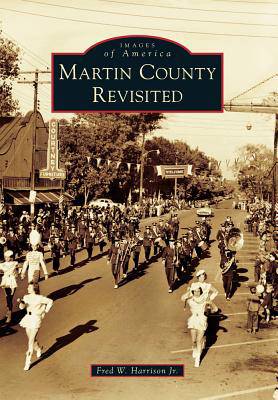
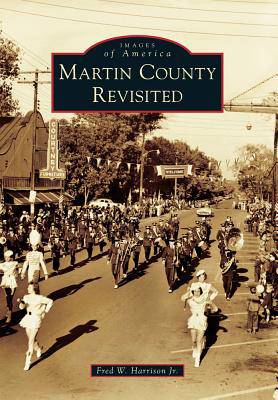
Situated along the south bank of the Roanoke River, Martin County was established in 1774. Vast pine forests in the region assured the county's early economic success with the production of naval stores, tar pitch, and turpentine. By the late 19th century, large-scale lumber concerns and tobacco and peanut farming ushered in a new era of prosperity. Today, the area leads the state in the production of peanuts and cotton. Twice during the 20th century, the county made national headlines--first with the 1925 Needleman Case and later with the famed Williamston civil rights events of 1963 and 1964. Fond memories of church dinners, family gatherings, parades, and intriguing personalities like local baseball legends Jim and Gaylord Perry are recalled through images that make this return visit to Martin County all the more worthwhile. Martin County Revisited showcases the rich agrarian and social history of this eastern North Carolina county.
Specificaties
Betrokkenen
- Auteur(s):
- Uitgeverij:
Inhoud
- Aantal bladzijden:
- 128
- Taal:
- Engels
- Reeks:
Eigenschappen
- Productcode (EAN):
- 9781467120524
- Verschijningsdatum:
- 4/11/2013
- Uitvoering:
- Paperback
- Formaat:
- Trade paperback (VS)
- Afmetingen:
- 163 mm x 231 mm
- Gewicht:
- 294 g


Alleen bij Standaard Boekhandel
+ 69 punten op je klantenkaart van Standaard Boekhandel
Cadeau

AANGERADEN


Beoordelingen
We publiceren alleen reviews die voldoen aan de voorwaarden voor reviews. Bekijk onze voorwaarden voor reviews.