


- Afhalen na 1 uur in een winkel met voorraad
- Gratis thuislevering in België vanaf € 30
- Ruim aanbod met 7 miljoen producten
- Afhalen na 1 uur in een winkel met voorraad
- Gratis thuislevering in België vanaf € 30
- Ruim aanbod met 7 miljoen producten





€ 7,59
+ 7 punten
Uitvoering
Eenvoudig bestellen
Veilig betalen


Onmiddellijk geleverd via e-mail
Omschrijving
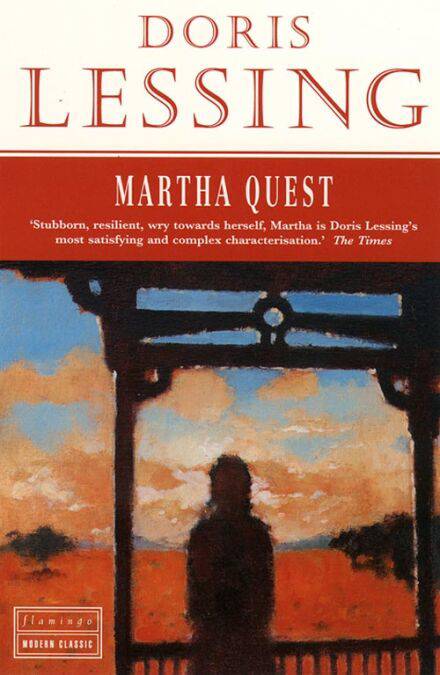
The opening book in the Nobel Prize for Literature winner’s ‘Children of Violence’ series tracing the life of Martha Quest from her childhood in colonial Africa to old age in post-nuclear Britain.
When we first meet Martha Quest, she is a girl of fifteen living with her parents on a poor African farm. She is eager for life and resentful of the deadening narrowness of home, and escapes to take a job as a typist in the local capital. Here, in the ‘big city’, she encounters the real life she was so eager to know and understand. As a picture of colonial life, ‘Martha Quest’ succeeds by the depth of its realism alone; but always at its centre is Martha, a sympathetic figure drawn with unrelenting objectivity.
Martha’s Africa is Doris Lessing’s Africa: the restrictive life of the farm; the atmosphere of racial fear and antagonism; the superficial sophistication of the city. And both Martha and Lessing are Children of Violence: the generation that was born of one world war and came of age in another, whose abrasive relationships with their parents, with one another, and with society are laid bare brilliantly by a writer who understands them better than any other.
When we first meet Martha Quest, she is a girl of fifteen living with her parents on a poor African farm. She is eager for life and resentful of the deadening narrowness of home, and escapes to take a job as a typist in the local capital. Here, in the ‘big city’, she encounters the real life she was so eager to know and understand. As a picture of colonial life, ‘Martha Quest’ succeeds by the depth of its realism alone; but always at its centre is Martha, a sympathetic figure drawn with unrelenting objectivity.
Martha’s Africa is Doris Lessing’s Africa: the restrictive life of the farm; the atmosphere of racial fear and antagonism; the superficial sophistication of the city. And both Martha and Lessing are Children of Violence: the generation that was born of one world war and came of age in another, whose abrasive relationships with their parents, with one another, and with society are laid bare brilliantly by a writer who understands them better than any other.
Specificaties
Betrokkenen
- Auteur(s):
- Uitgeverij:
Inhoud
- Aantal bladzijden:
- 352
- Taal:
- Engels
Eigenschappen
- Productcode (EAN):
- 9780007397730
- Verschijningsdatum:
- 30/05/2012
- Uitvoering:
- E-book
- Beveiligd met:
- Adobe DRM
- Formaat:
- ePub


Alleen bij Standaard Boekhandel
+ 7 punten op je klantenkaart van Standaard Boekhandel
CADEAU

AANGERADEN


Beoordelingen
We publiceren alleen reviews die voldoen aan de voorwaarden voor reviews. Bekijk onze voorwaarden voor reviews.