


- Afhalen na 1 uur in een winkel met voorraad
- Gratis thuislevering in België vanaf € 30
- Ruim aanbod met 7 miljoen producten
- Afhalen na 1 uur in een winkel met voorraad
- Gratis thuislevering in België vanaf € 30
- Ruim aanbod met 7 miljoen producten





€ 169,95
+ 339 punten
Omschrijving
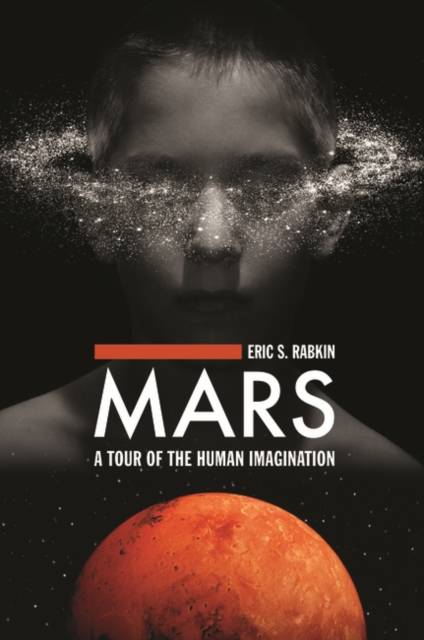
What is Mars? From the ancients to the present, we have imagined Mars repeatedly and studied it longingly. As scientific knowledge of Mars has changed, so has the cultural imagination of this celestial neighbors. The earth-centered beginnings of astronomy connected the blood-red planet with the God of War. The Copernican Revolution and a later, simple mistranslation from Italian supported fantastic visions of distant Mars as the abode of life variously bizarre, ideal, or malignant. In the work of H. G. Wells and Orson Welles, in books, films, radio, and television, Mars reflected not only eternal hopes and fears but then-current political realities. In recent years, NASA-fication has brought Mars home, imagining the Red Planet almost as an eighth continent of Earth, a candidate for exploration and exploitation both in fiction and in fact. Rabkin weaves a chronological tale of many threads, including mythology, astrology, astronomy, literary criticism, and cultural studies.
Specificaties
Betrokkenen
- Auteur(s):
- Uitgeverij:
Inhoud
- Aantal bladzijden:
- 232
- Taal:
- Engels
Eigenschappen
- Productcode (EAN):
- 9780275987190
- Verschijningsdatum:
- 30/06/2005
- Uitvoering:
- Hardcover
- Formaat:
- Genaaid
- Afmetingen:
- 162 mm x 243 mm
- Gewicht:
- 530 g


Alleen bij Standaard Boekhandel
+ 339 punten op je klantenkaart van Standaard Boekhandel
Cadeau

AANGERADEN


Beoordelingen
We publiceren alleen reviews die voldoen aan de voorwaarden voor reviews. Bekijk onze voorwaarden voor reviews.