


- Afhalen na 1 uur in een winkel met voorraad
- Gratis thuislevering in België vanaf € 30
- Ruim aanbod met 7 miljoen producten
- Afhalen na 1 uur in een winkel met voorraad
- Gratis thuislevering in België vanaf € 30
- Ruim aanbod met 7 miljoen producten





€ 56,95
+ 113 punten
Uitvoering
Omschrijving
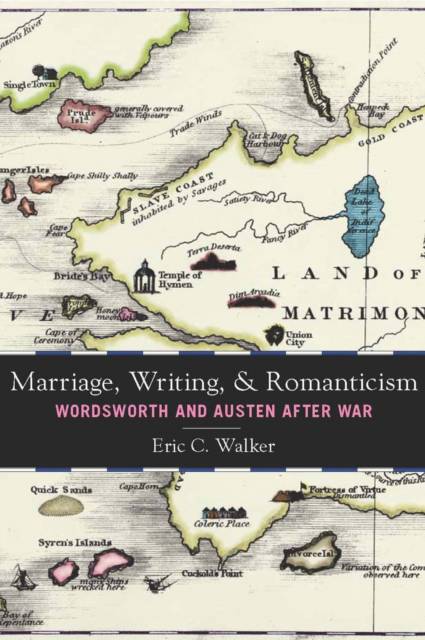
Marriage, Writing, and Romanticism studies marriage in two sets of literary texts from the Regency decade: the novels of Jane Austen--who avoided marriage in her own life but seems to have written about nothing else--and a set of non-canonical and generally unfamiliar poems by William Wordsworth, who seems never to turn to the subject of his own marriage. With other Romantic writers who also figure in this study, Austen and Wordsworth confronted the impossibility of writing about anything other than marriage and the imperative either to celebrate or condemn it. Thanks to the latest scholarly editions of Wordsworth, Walker introduces previously undiscussed material. Walker reads conjugality as the compulsory ground of modern identity, an Enlightenment legacy we still grapple with today, and offers new perspectives on literature through the writing of Austen and Wordsworth and theories of marriage in Godwin, Wollstonecraft, Hegel, Kierkegaard, and, in our time, Adam Phillips and Stanley Cavell.
Specificaties
Betrokkenen
- Auteur(s):
- Uitgeverij:
Inhoud
- Aantal bladzijden:
- 304
- Taal:
- Engels
Eigenschappen
- Productcode (EAN):
- 9780804773652
- Verschijningsdatum:
- 24/01/2011
- Uitvoering:
- Paperback
- Formaat:
- Trade paperback (VS)
- Afmetingen:
- 152 mm x 226 mm
- Gewicht:
- 408 g


Alleen bij Standaard Boekhandel
+ 113 punten op je klantenkaart van Standaard Boekhandel
Cadeau

AANGERADEN


Beoordelingen
We publiceren alleen reviews die voldoen aan de voorwaarden voor reviews. Bekijk onze voorwaarden voor reviews.