


- Afhalen na 1 uur in een winkel met voorraad
- Gratis thuislevering in België vanaf € 30
- Ruim aanbod met 7 miljoen producten
- Afhalen na 1 uur in een winkel met voorraad
- Gratis thuislevering in België vanaf € 30
- Ruim aanbod met 7 miljoen producten




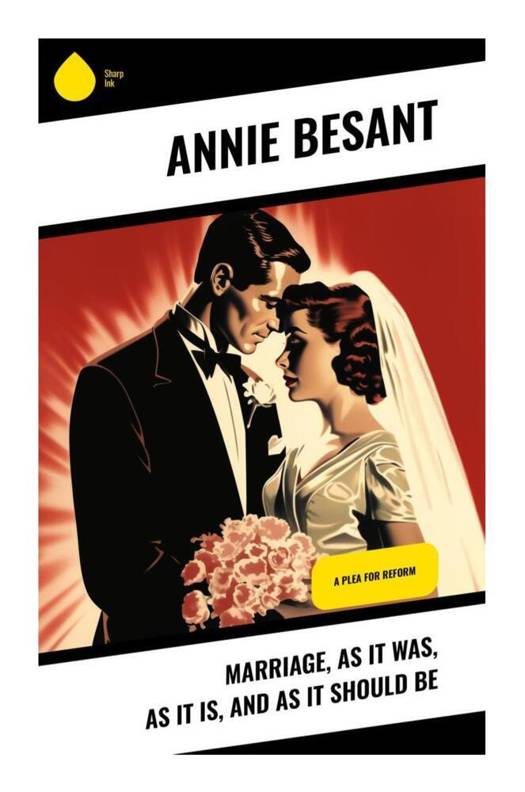
Marriage, As It Was, As It Is, and As It Should Be
Victorian Feminism, Women's Legal Rights, and the Case for Conjugal Equality
Annie Besant
Paperback | Engels
€ 7,95
+ 15 punten
Omschrijving
Annie Besant's Marriage, As It Was, As It Is, and As It Should Be is a compact yet forceful Victorian polemic tracing marriage from historical institution through contemporary legal bondage toward an egalitarian ideal. Written in lucid, forensic prose, it combines social history, moral philosophy, and reformist argument to expose the economic dependence, sexual double standards, and juridical subordination of wives. In the context of nineteenth-century freethought and early feminism, the work challenges sacred and customary authority with rationalist scrutiny. Besant wrote from intimate knowledge as well as public conviction. Separated from her clergyman husband, deprived by law and convention of full maternal and civic autonomy, she became one of Britain's most formidable secularist lecturers and social critics. Her campaigns with Charles Bradlaugh, including advocacy of birth control, sharpened her understanding of how marriage, religion, property, and the state regulated women's bodies and destinies. This book is recommended to readers interested in feminist political thought, Victorian reform movements, and the genealogy of debates over marriage equality. It remains valuable not only as historical testimony but as a disciplined argument for companionship, consent, and justice at the heart of domestic life.
Specificaties
Betrokkenen
- Auteur(s):
- Uitgeverij:
Inhoud
- Taal:
- Engels
Eigenschappen
- Productcode (EAN):
- 9788028342241
- Uitvoering:
- Paperback
- Afmetingen:
- 152 mm x 229 mm
- Gewicht:
- 86 g


Alleen bij Standaard Boekhandel
+ 15 punten op je klantenkaart van Standaard Boekhandel
Cadeau

AANGERADEN


Beoordelingen
We publiceren alleen reviews die voldoen aan de voorwaarden voor reviews. Bekijk onze voorwaarden voor reviews.