


- Afhalen na 1 uur in een winkel met voorraad
- Gratis thuislevering in België vanaf € 30
- Ruim aanbod met 7 miljoen producten
- Afhalen na 1 uur in een winkel met voorraad
- Gratis thuislevering in België vanaf € 30
- Ruim aanbod met 7 miljoen producten




€ 209,45
+ 418 punten
Omschrijving
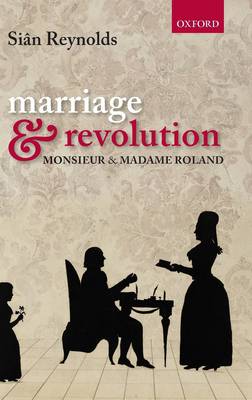
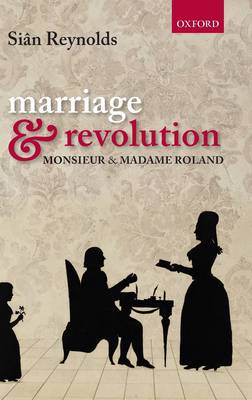
Marriage and Revolution is a double biography of Jean-Marie Roland (1734-1793) and Marie-Jeanne Phlipon, later Madame Roland (1754-1793), leading figures in the French Revolution. J.-M. Roland was minister of the Interior for a total of eight months during 1792. The couple were close to Brissot and the Girondins, and both died during the Terror. Mme Roland became famous for her posthumous prison memoirs and is the subject of many biographies, but her husband, despite being a key figure in administration of France, seldom out of the limelight during his time in office, is often marginalized in histories of the Revolution.
Sian Reynolds examines the Roland marriage from its beginnings in an ancien regime mesalliance, opposed by both families, through its close cooperation in the 1780s, to its final phase as a political partnership during the Revolution. Both Roland's actions as minister and Mme Roland's role as a woman close to power were praised and blamed at the time, and the controversies have persisted. Based on manuscript sources including many unpublished letters, Marriage and Revolution sets out to examine an unusually companionate marriage over the long term: its intimacy, parenthood, everyday life in the provinces, friendships, academic cooperation, political enthusiasms and quarrels, and finally its dramatic ending during the Revolution.
Sian Reynolds examines the Roland marriage from its beginnings in an ancien regime mesalliance, opposed by both families, through its close cooperation in the 1780s, to its final phase as a political partnership during the Revolution. Both Roland's actions as minister and Mme Roland's role as a woman close to power were praised and blamed at the time, and the controversies have persisted. Based on manuscript sources including many unpublished letters, Marriage and Revolution sets out to examine an unusually companionate marriage over the long term: its intimacy, parenthood, everyday life in the provinces, friendships, academic cooperation, political enthusiasms and quarrels, and finally its dramatic ending during the Revolution.
Specificaties
Betrokkenen
- Auteur(s):
- Uitgeverij:
Inhoud
- Aantal bladzijden:
- 344
- Taal:
- Engels
Eigenschappen
- Productcode (EAN):
- 9780199560424
- Verschijningsdatum:
- 26/07/2012
- Uitvoering:
- Hardcover
- Formaat:
- Ongenaaid / garenloos gebonden
- Afmetingen:
- 137 mm x 213 mm
- Gewicht:
- 385 g


Alleen bij Standaard Boekhandel
+ 418 punten op je klantenkaart van Standaard Boekhandel
Wedstrijd


Beoordelingen
We publiceren alleen reviews die voldoen aan de voorwaarden voor reviews. Bekijk onze voorwaarden voor reviews.