


- Afhalen na 1 uur in een winkel met voorraad
- Gratis thuislevering in België vanaf € 30
- Ruim aanbod met 7 miljoen producten
- Afhalen na 1 uur in een winkel met voorraad
- Gratis thuislevering in België vanaf € 30
- Ruim aanbod met 7 miljoen producten





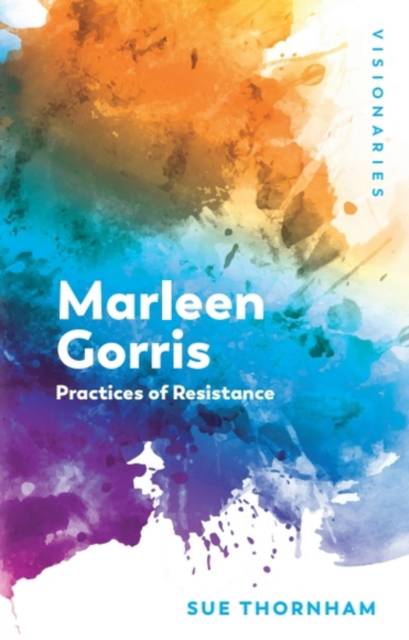
Omschrijving
Dutch director Marleen Gorris is known chiefly for two films: A Question of Silence (1982), her fiercely feminist first film, in which three women meet by chance in a women's clothing boutique and ritually murder its male owner; and Antonia's Line (1995), her fourth film and winner of the 1996 Oscar for Best Foreign Language Film, which traces four generations of Antonia's female 'line' in the matriarchal community she establishes in postwar rural Holland. Both have been extensively discussed, though rarely together, and appear on university syllabuses. Her second Dutch language film, Broken Mirrors (1984), and her five films in English, however, have received far less, and in some cases no critical attention. Using feminist reformulations of ideas of vulnerability and resistance, this first book-length study of her films examines their revisionings of narrative, time and space, and the possibilities they present of other narratives, other subjectivities and other relationships.
Specificaties
Betrokkenen
- Auteur(s):
- Uitgeverij:
Inhoud
- Aantal bladzijden:
- 184
- Taal:
- Engels
- Reeks:
Eigenschappen
- Productcode (EAN):
- 9781399527972
- Verschijningsdatum:
- 31/05/2025
- Uitvoering:
- Paperback
- Formaat:
- Trade paperback (VS)
- Afmetingen:
- 140 mm x 216 mm
- Gewicht:
- 217 g


Alleen bij Standaard Boekhandel
+ 64 punten op je klantenkaart van Standaard Boekhandel
Cadeau

AANGERADEN


Beoordelingen
We publiceren alleen reviews die voldoen aan de voorwaarden voor reviews. Bekijk onze voorwaarden voor reviews.