


- Afhalen na 1 uur in een winkel met voorraad
- Gratis thuislevering in België vanaf € 30
- Ruim aanbod met 7 miljoen producten
- Afhalen na 1 uur in een winkel met voorraad
- Gratis thuislevering in België vanaf € 30
- Ruim aanbod met 7 miljoen producten





€ 41,95
+ 83 punten
Omschrijving
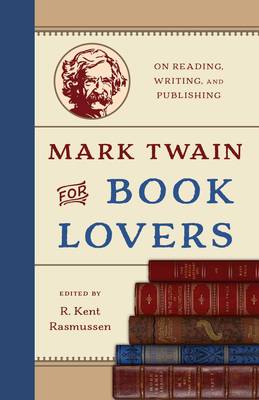
Mark Twain for Book Lovers is a collection of witty and insightful writings about almost everything connected with them by one of the world's greatest writers. The breadth of such a volume is assured by the fact that Mark Twain was intimately involved in every aspect of books--from reading, writing, producing, and critiquing to even marketing them. Although Mark Twain grew up poor on the fringe of America's 19th century frontier and had a limited education, he was a prodigious reader from an early age and became one of history's great autodidacts. Twain owned over 6,000 books, so it is thus not surprising that he has a great deal to say about books and authors. His connections with books don't stop with reading and writing them, however. His first profession was as a typesetter--work that gave him an inside view of the mechanics of print production. He had a lifelong interest in automating typesetting, only to lose a fortune by investing in a typesetting invention that he thought would revolutionize the industry. Along the way, he also formed his own book publishing firm to give himself full control of all aspects of the production and marketing of his own books. Also not surprisingly, he has much to say about every aspect of book publishing. Most of the selections will be extracts from longer works--most notably his autobiographical writings--but they will also include some full essays, such as "Fenimore Cooper's Literary Offenses," "How to Tell a Story," and "A Magnificent Literary Fossil." Among the topics covered will be The Bible as literature, buying and selling books, copyright and plagiarism, Twain's favorite and unfavorite authors, grammar and style, tips on writing, and book publishing as a calling.
Specificaties
Betrokkenen
- Auteur(s):
- Uitgeverij:
Inhoud
- Aantal bladzijden:
- 240
- Taal:
- Engels
Eigenschappen
- Productcode (EAN):
- 9781493097036
- Verschijningsdatum:
- 18/08/2026
- Uitvoering:
- Hardcover
- Formaat:
- Genaaid
- Afmetingen:
- 140 mm x 216 mm
- Gewicht:
- 371 g


Alleen bij Standaard Boekhandel
+ 83 punten op je klantenkaart van Standaard Boekhandel
Cadeau

AANGERADEN


Beoordelingen
We publiceren alleen reviews die voldoen aan de voorwaarden voor reviews. Bekijk onze voorwaarden voor reviews.