


- Afhalen na 1 uur in een winkel met voorraad
- Gratis thuislevering in België vanaf € 30
- Ruim aanbod met 7 miljoen producten
- Afhalen na 1 uur in een winkel met voorraad
- Gratis thuislevering in België vanaf € 30
- Ruim aanbod met 7 miljoen producten





€ 104,94
+ 209 punten
Eenvoudig bestellen
Veilig betalen


Gratis thuislevering vanaf € 30 (via bpost)
Gratis levering in je Standaard Boekhandel
Omschrijving
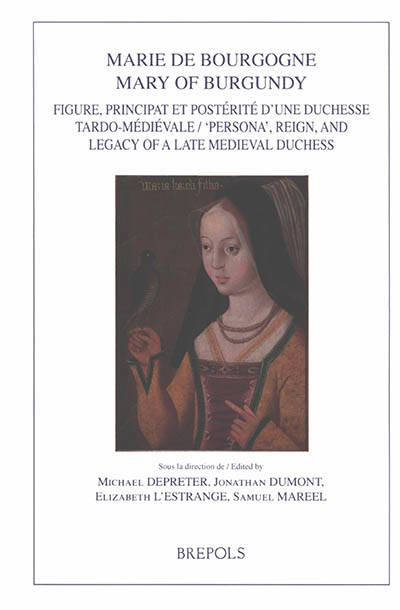
Mary of Burgundy (r. 1477-1482) occupies an important place in the history of late medieval and Early Modern Europe, yet her life and principate have received relatively little scholarly attention. They are, however, key to the history both of the Low Countries and of Europe, since her marriage to Maximilian of Austria united the Habsburgs with the Valois-Burgundy dynasty, giving them vast territories on the borders of France. In this book, some of the best specialists in the field contribute to a better understanding of Mary's principate, its features, and its long-term perception. In the first part, the authors address the issue of Mary's contested legitimacy as a late-medieval female ruler: law, literature, visual art and theatrical representations are examined as means of communication, strengthening or weakening her authority. In the second part, the authors examine some of Mary's governmental tools and the agents behind them. Finally, the last part questions the ways in which Mary's power and her principate have been represented and reinterpreted in subsequent eras, often with political or social intent, beginning with Maximilian's long regency and reign immediately after her death, right up to modern-day Belgium.
Specificaties
Betrokkenen
- Auteur(s):
- Uitgeverij:
Inhoud
- Aantal bladzijden:
- 475
- Taal:
- Engels, Frans
- Reeks:
- Reeksnummer:
- nr. 31
Eigenschappen
- Productcode (EAN):
- 9782503588087
- Verschijningsdatum:
- 14/10/2021
- Uitvoering:
- Paperback
- Formaat:
- Trade paperback (VS)
- Afmetingen:
- 154 mm x 232 mm
- Gewicht:
- 839 g


Alleen bij Standaard Boekhandel
+ 209 punten op je klantenkaart van Standaard Boekhandel
CADEAU

AANGERADEN


Beoordelingen
We publiceren alleen reviews die voldoen aan de voorwaarden voor reviews. Bekijk onze voorwaarden voor reviews.