


- Afhalen na 1 uur in een winkel met voorraad
- Gratis thuislevering in België vanaf € 30
- Ruim aanbod met 7 miljoen producten
- Afhalen na 1 uur in een winkel met voorraad
- Gratis thuislevering in België vanaf € 30
- Ruim aanbod met 7 miljoen producten





€ 11,95
+ 23 punten
Omschrijving
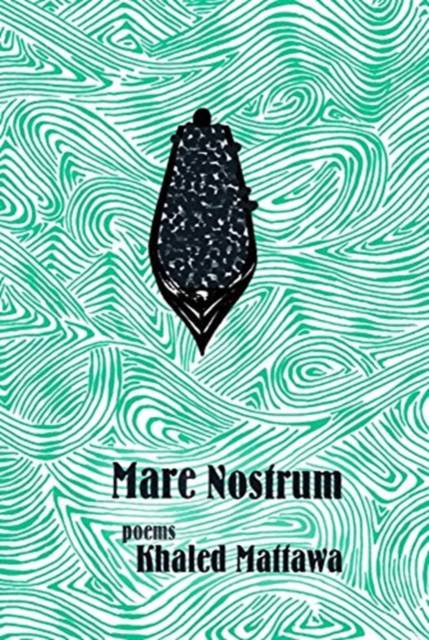
"On the bridges to those slippery worlds, we are wrapped in gold foil, disease free. Who is saving whom? The question's not stated, only implied." In 2013, the Italian government implemented Mare Nostrum, an operation intended to limit immigration from Africa and the Middle East to European countries. For the refugees, the journeys were harrowing, often ending in shipwrecks or imprisonment, and the arrivals were wracked with uncertainty. Here, the poet Khaled Mattawa conjures a pointed, incantatory account of the refugee experience in the Mediterranean. In reclaiming the operation's name Mare Nostrum (our sea in Latin), he renders us culpable for the losses, and responsible to those risking their lives in pursuit of hope and respite from oppression. The voices are many, and the lyrics ritualistic, as if Mattawa has stirred ghosts from the wreckage. Part narrative, part blessing, this chapbook begs of its readers: Do you remember? Mattawa's writing is a lighthouse for politics of the twenty-first century, and this chapbook a stunning memorial.
Specificaties
Betrokkenen
- Auteur(s):
- Uitgeverij:
Inhoud
- Aantal bladzijden:
- 32
- Taal:
- Engels
- Reeks:
Eigenschappen
- Productcode (EAN):
- 9781946448361
- Verschijningsdatum:
- 27/08/2019
- Uitvoering:
- Paperback
- Formaat:
- Trade paperback (VS)
- Afmetingen:
- 147 mm x 221 mm
- Gewicht:
- 68 g


Alleen bij Standaard Boekhandel
+ 23 punten op je klantenkaart van Standaard Boekhandel
Cadeau

AANGERADEN


Beoordelingen
We publiceren alleen reviews die voldoen aan de voorwaarden voor reviews. Bekijk onze voorwaarden voor reviews.